Iran Develops Fast-Dissolving Tablets to Cut Drug Imports
Hamidreza Motasaddizadeh Sarkhabidi, a faculty member at Tehran University of Medical Sciences and CEO of the company, said the platform is used to manufacture several medicines worldwide. Two drugs based on this technology are currently imported into Iran, with no domestic manufacturers producing them.
He explained that manufacturing these tablets requires specialized technology and equipment. Unlike conventional pharmaceutical production lines, the process involves complex techniques and dedicated machinery. The company therefore decided to establish the technology domestically.
The main objective is to manufacture medicines that currently require imports and foreign currency expenditure, he said.
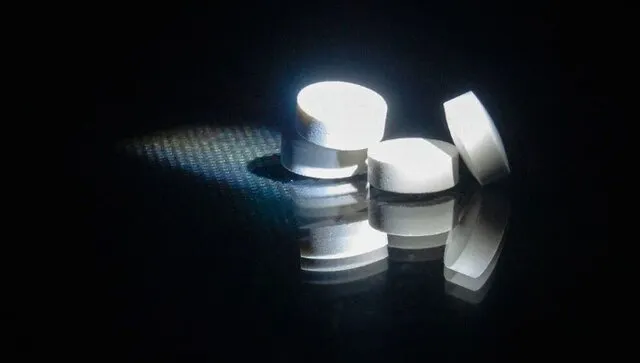
Lyophilized orally disintegrating tablets dissolve extremely rapidly when placed under the tongue. While conventional compressed orally disintegrating tablets may take around one minute to dissolve, lyophilized versions can dissolve in less than three seconds.
This rapid disintegration makes them particularly useful for children, older adults and people with swallowing difficulties. The tablets also have a sweet taste. The technology may be beneficial for medicines requiring rapid absorption, including certain cardiovascular drugs.
Motasaddizadeh Sarkhabidi said the technology was initially developed by a US company that dominated much of the global market. After the platform's patent expired, other companies and countries began developing similar products.
He explained that manufacturers producing generic medicines must demonstrate that their products are equivalent to the original branded versions. The company has conducted laboratory tests to demonstrate its ability to produce a comparable product, he said.
The domestically manufactured tablets are expected to cost significantly less than imported alternatives. Local production could reduce foreign currency expenditure and create opportunities to use domestically sourced raw materials.
Motasaddizadeh Sarkhabidi estimated the market value of the drug in Iran for the Iranian calendar year 1405 (2026–2027) at approximately 110 billion tomans. He added that developing several medicines using the platform could save around US$1 million in foreign currency.
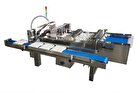
Regarding the production line, he said the company had designed and built the main machine in collaboration with a domestic knowledge-based manufacturer. It is also working with local manufacturers to develop one or two additional machines.
The project is now more than 50% complete, he said.
The CEO also announced the domestic production of an injectable multivitamin previously imported into Iran. The country had been importing approximately 250,000 to 300,000 vials of the medicine annually.
After conducting market research and completing research and development, the company began contract manufacturing the product at an Iranian pharmaceutical company. It has now obtained authorization to release the medicine onto the market.