Noise-Canceling Headphones May Reduce Nausea and Vomiting After Surgery
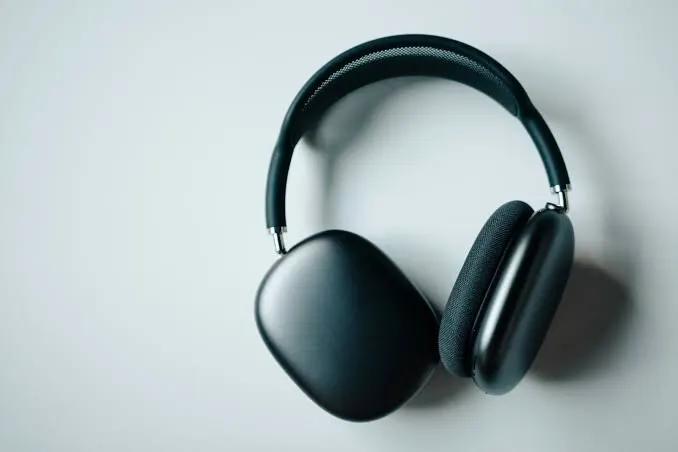
Findings from a randomized clinical trial show that patients who wore noise-canceling headphones during minimally invasive gynecological surgery experienced lower rates of postoperative nausea and vomiting than those who did not use headphones.
Postoperative nausea and vomiting are among the most common and unpleasant complications following surgery and anesthesia. They can lead to dehydration, delayed recovery, additional medication use, and longer stays in the recovery room. Anesthetic agents and painkillers are well-known contributors to these symptoms, but researchers believe noise in the operating room may be another, less recognized factor.
Patients undergoing minimally invasive gynecological procedures under general anesthesia are particularly susceptible to postoperative nausea and vomiting, even when they receive recommended preventive medications.
Dr. Huayue Liu, an anesthesiologist at the hospital affiliated with Soochow University and the study’s senior researcher, said that patients under general anesthesia are not consciously aware of their surroundings, but this does not mean the brain completely stops processing sound.
“Our findings suggest that simply reducing noise in the operating room may provide anesthesiologists with another way to help prevent postoperative nausea and vomiting, without the need to add another medication,” Liu said.
The study included 192 adults aged 18 to 65 who underwent general anesthesia. Participants were randomly assigned to one of two groups. Half wore commercially available noise-canceling headphones from the start of anesthesia until the end of surgery, while the other half did not wear headphones.
All participants received the same anesthetic regimen and standard medications to prevent postoperative nausea and vomiting.
Within 48 hours after surgery, 35.4% of patients in the headphone group experienced postoperative nausea and vomiting, compared with 52.1% of those who did not wear headphones. This represented a 32% relative reduction in risk. In practical terms, approximately 17 fewer patients per 100 experienced these symptoms when headphones were used.
The severity of nausea and vomiting was also lower during the first 24 hours after surgery among patients who wore headphones. No increase in adverse events was observed in the headphone group.
During the study, the average noise level in the operating room was approximately 66 decibels, comparable to a level between ordinary conversation and the sound of a vacuum cleaner nearby. Although this was far below the noise produced by a jackhammer, the researchers noted that patients under general anesthesia may still process sounds unconsciously through mechanisms that are not yet fully understood.
Liu said future research should measure the noise levels to which patients are exposed during surgery and examine how their brains and bodies respond. Such studies could help researchers better understand whether, and how, sound contributes to postoperative nausea and vomiting.