Laser-assisted hatching linked to higher live birth rates
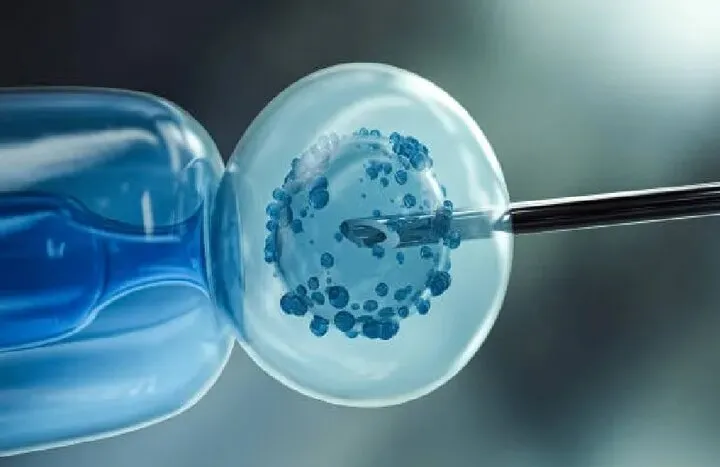
Researchers at Tehran University of Medical Sciences have investigated the effects of laser-assisted hatching before embryo transfer in women with recurrent implantation failure. Their systematic review and meta-analysis of randomized controlled trials found statistically significant improvements in clinical pregnancy, ongoing pregnancy and live birth rates, alongside a reduction in miscarriage rates.
Recurrent implantation failure refers to a situation in which embryo transfers during assisted reproduction do not result in the expected outcome. Laser-assisted hatching is a technique used before embryo transfer to modify or create an opening in the zona pellucida, the protective outer layer surrounding an embryo. Despite its use in fertility treatment, the effectiveness of this technique in patients with recurrent implantation failure remains a subject of debate.
In this study, the researchers conducted a systematic review and meta-analysis of randomized controlled trials comparing outcomes after embryo transfer with laser-assisted hatching against those in control groups. They searched PubMed, Web of Science, Scopus and Embase on January 22, 2025. Ultimately, nine studies involving a total of 2,481 women with recurrent implantation failure were included in the meta-analysis.
The researchers used random-effects models to combine the findings and assessed the certainty of the evidence using the GRADE framework.
The analysis showed that the clinical pregnancy rate was significantly higher among women who underwent laser-assisted hatching than among those in the control groups. However, the certainty of the evidence for this outcome was rated as very low, and substantial heterogeneity was observed across the studies. The ongoing pregnancy rate was also significantly higher in the laser-assisted hatching group, although the certainty of the evidence for this outcome was likewise rated as very low.
Regarding live births, the findings indicated a statistically significant increase in the rate among women who received laser-assisted hatching. Unlike the evidence for clinical and ongoing pregnancy, the certainty of the evidence for live birth was rated as moderate, with low heterogeneity across the studies.
The analysis also found that the miscarriage rate was significantly lower in the laser-assisted hatching group than in the control group. The certainty of the evidence for this outcome was rated as moderate.
However, no statistically significant difference was observed between the two groups in embryo implantation rates. The researchers also found no significant difference in the rate of multiple pregnancies per clinical pregnancy between the laser-assisted hatching and control groups.
In their conclusions, the researchers stated that laser-assisted hatching before embryo transfer may improve certain pregnancy outcomes and live birth rates in women with recurrent implantation failure, although no significant effect was observed on embryo implantation rates.
They emphasized that further large-scale, high-quality randomized controlled trials are needed to confirm these findings, particularly given the heterogeneity across the studies and the low certainty of evidence for some outcomes.
The study, titled Pregnancy Outcomes After Laser-Assisted Hatching in Patients With Recurrent Implantation Failure: A Systematic Review and Meta-analysis of Randomized Controlled Trials, was published in the journal Reproductive Sciences on September 28, 2026.
The authors are Mohammad Amin Parsaei, from the Breastfeeding Research Center at the Family Health Research Institute of Tehran University of Medical Sciences; Elaheh Karimi, from Tehran Heart Center and the Cardiovascular Research Institute at Tehran University of Medical Sciences; Parsa Seifi, from the School of Medicine at Tehran University of Medical Sciences; and Masoumeh Dehghan Tarziani and Azadeh Tarafdari, from the Department of Obstetrics and Gynecology at Imam Khomeini Hospital Complex, affiliated with Tehran University of Medical Sciences.