Natural pigment production advances in Iran
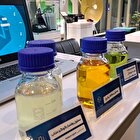
Ehsan Ebrahimi, CEO of the knowledge-based company, said the firm operates in the production of raw materials for the food, pharmaceutical and cosmetics industries.
“We began our activities in 2021, focusing on the production of compounds such as carotene, lycopene and chlorophyll, which are used in the food, pharmaceutical and cosmetics industries,” Ebrahimi said. “The first two years were largely devoted to developing the technical know-how, after which we planned to move into the pilot and then industrial production stages. However, difficulties in attracting investment led us to shift our activities toward the production of finished products.”
Over the past three years, he said, the company has worked on natural supplements, skincare products and food products. “We currently have products in all three areas. Some have received IRC registration, while others are undergoing the required licensing procedures,” he added.
Ebrahimi said that, given the importance of establishing a domestic supply chain for raw materials, the company resumed efforts last year to produce natural pigments on a pilot scale. “We have now obtained the ‘Sib Salamat’ health approval for our products,” he said.
Regarding the domestic production of natural pigments, Ebrahimi said there are currently no comparable products in some of the areas in which the company operates, while the company has also obtained IRC registration for several products.
“In the field of natural pigments, some organizations had previously carried out small-scale production activities, but these efforts ultimately did not lead to stable industrial-scale production,” he said.
Ebrahimi added that natural pigment production in the country remains very limited, with most market demand being met through imports. “Our estimate is that imports of these products amount to around $40 million to $50 million, while domestic production accounts for only a very small share and may be worth less than $500,000,” he said.
“This means the natural pigment market has significant potential for expanding domestic production, and increasing local output could help reduce the dependence of consumer industries on imports,” Ebrahimi said.
He noted that the company launched a one-year program at the beginning of this year to develop new production methods. “If successful, these methods could reduce production costs to around one-third or one-quarter of previous levels, while significantly lowering the required investment,” he said.
On the applications of beta-carotene, Ebrahimi said the compound is used in a wide range of yellow-to-orange food products, including oil, butter and some fruit juices.
“We have developed the technical know-how for the natural and biological production of beta-carotene using Dunaliella algae and have already produced it. We are now further developing the production process with the aim of reducing production costs to around one-quarter of the current level,” he said.
Ebrahimi added that if the company succeeds in developing a synthetic production method for beta-carotene, it estimates that production costs could fall to approximately one-quarter to one-fifth of the current cost by the end of the year.
“Such a reduction could significantly improve the economic viability of the project,” he said.
The CEO also said the project has been implemented with the support of a knowledge-based institution. “During the first phase, the main objective of this support was to develop the technical capabilities and know-how required to produce raw materials,” he said.
“Part of the funding has also been allocated to developing the company’s formulations and producing new products, while another portion has been dedicated to research and development,” Ebrahimi added.