Single stem cell injection cuts osteoporosis-related fractures by 94%
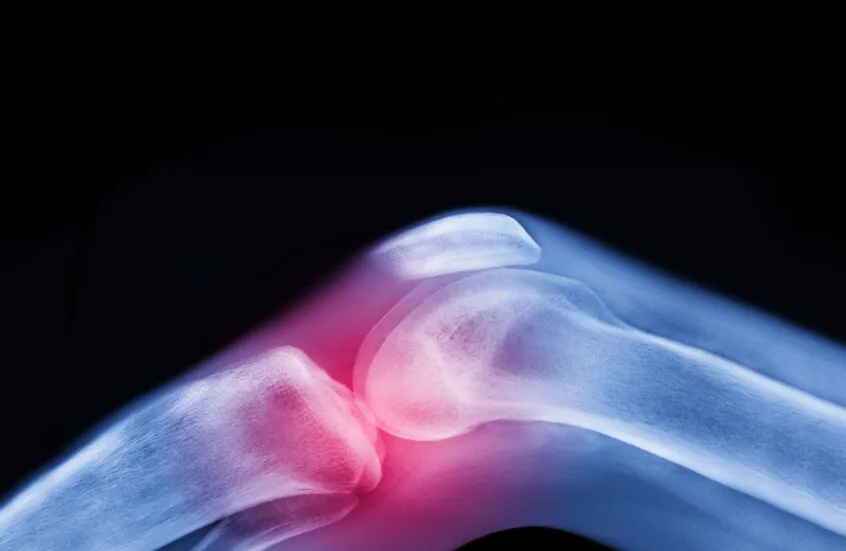
The disease is one of the most common health problems among older adults, affecting an estimated 75 million people in Europe, the United States and Japan.
About one in three women over the age of 50 is at risk of an osteoporosis-related fracture. Men can also suffer fractures linked to the disease, although their risk is lower than that of women.
However, a recent study published in the journal Cell has tested an experimental treatment based on stem cells taken from patients themselves and modified to reach damaged bones and contribute to their repair.
A single injection
The trial involved 10 women over the age of 50 with advanced osteoporosis. Researchers extracted stem cells from the bone marrow of each participant’s hip, modified the cells in the laboratory, and then reintroduced them into the body through an intravenous injection.
During the two years following treatment, the rate of osteoporosis-related fractures fell by 94%, from eight fractures per year to 0.5 fracture per year among the study group.
Bone biopsies also showed that the average area of bone tissue nearly doubled within four months, while three-dimensional scans conducted after two years indicated improved bone density. Blood biomarkers associated with bone formation also increased for more than six months following the injection.
The participants reported improvements in symptoms as well. Bone pain decreased by 34% by the 24-month mark, while physical function improved by 30%.
Directing stem cells to the bones
The treatment is designed to address a major challenge faced by previous attempts to use stem cells. When injected into the bloodstream, the cells do not necessarily reach the areas that require repair.
To overcome this problem, the researchers modified the surface of the cells by adding a marker known as HCELL, which helps the cells bind to blood vessels in the bone marrow and facilitates their delivery to the targeted bone tissue.
The researchers followed the participants for approximately six years. During the follow-up period, the fracture rate declined from 0.54 to 0.11 fractures per patient per year.
Despite these promising findings, the study remains at an early stage because of the small number of participants. Larger clinical trials will therefore be needed to determine the treatment’s safety and effectiveness before it can be adopted as a therapeutic option for osteoporosis.
In the future, the technique could provide a new approach for using a patient’s own stem cells and directing them specifically to bones that require repair.


















