Royan Institute reports preliminary safety findings from cell therapy trial in autism
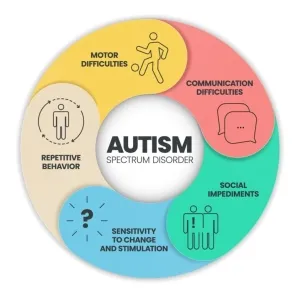
According to the Public Relations Department of Royan Institute, five children with Level 2 ASD participated in the study and received three intrathecal administrations of mesenchymal stromal cells derived from umbilical cord Wharton’s jelly. Each administration consisted of 20 million cells, with a one-month interval between administrations.
These findings are of particular relevance from the perspective of Phase I study design, as a primary objective of such early-phase trials is to assess the safety and tolerability of an investigational intervention and to determine whether further clinical investigation is warranted.
The researchers assessed the severity of autism-related symptoms using the Childhood Autism Rating Scale (CARS) and reported a reduction in CARS scores in all participants. Analysis of cerebrospinal fluid (CSF) also demonstrated reductions in certain inflammatory biomarkers, including tumor necrosis factor-alpha (TNF-α) and interleukin-6 (IL-6). Changes in patterns of cerebral electrical activity were additionally reported based on electroencephalographic (EEG) assessments.
These observations may provide a basis for further investigation into the potential relationships among cellular and molecular alterations, neurophysiological parameters, and selected clinical manifestations of autism spectrum disorder in future studies.
Despite these observations, the investigators emphasized that the findings related to efficacy should be considered preliminary at this stage. The study included a limited number of participants and was conducted as an open-label trial without a control group. Accordingly, the findings alone are insufficient to establish the efficacy of this therapeutic approach or to determine its comparative effectiveness relative to existing treatments.
According to the investigators, rigorous evaluation of the potential efficacy of this approach, the durability of the observed effects, and its benefit–risk profile will require further clinical trials involving larger numbers of participants, randomized study designs, and appropriate control groups.
The Director of Public Relations and International Affairs of Royan Institute, referring to future research directions, described the study as part of the ongoing research conducted by Royan researchers in the field of regenerative medicine and in the investigation of the potential applications of mesenchymal stromal cells for cell-based therapeutic approaches across a range of diseases. While expressing appreciation for leading researchers in this field, including Dr. Masoud Vosough and members of the research team, he/she emphasized the importance of progressing systematically from preliminary studies toward larger, controlled clinical trials.
Lotfi Panah added that the findings of this study, published in the international journal Stem Cell Research & Therapy, should not be interpreted as evidence that autism has been treated or cured through cell therapy. Rather, the findings provide preliminary data regarding safety and certain clinical and biological changes observed following the intervention, which may inform the design and scientific rationale of future studies.
He/she further noted that Royan Institute seeks to communicate the scientific achievements of its researchers to the public with scientific rigor and without exaggeration, thereby enabling the public to gain an accurate understanding of the actual trajectory of research and the scientific potential of the country in the field of regenerative medicine.