Iran expands lung transplantation with complex procedures and AI
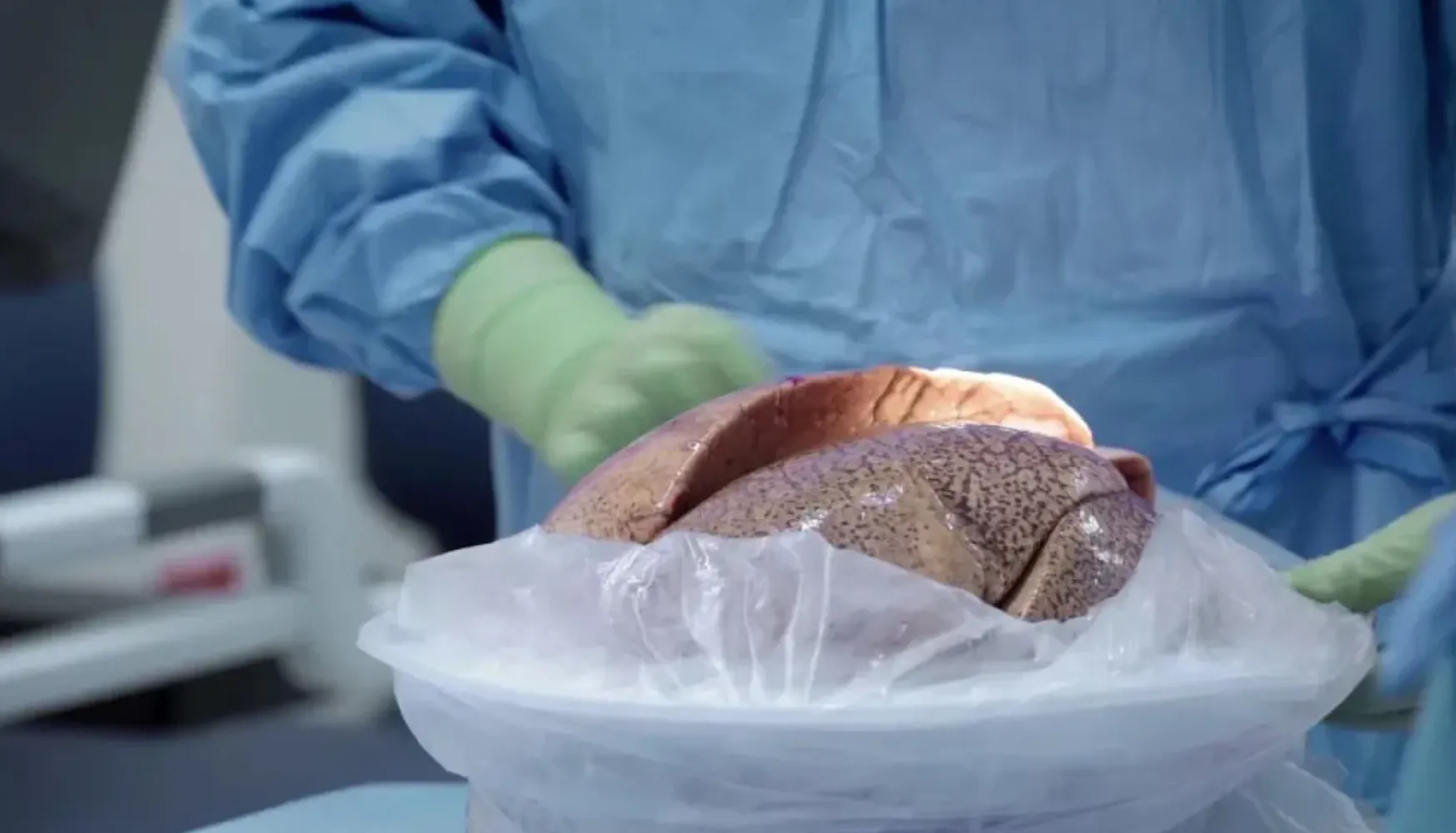
At a press briefing ahead of the 12th International Congress on Pulmonary Diseases, Critical Care and Tuberculosis, Atefeh Abedini, pulmonologist and scientific secretary of the congress, said the main challenge facing lung transplantation in Iran is not a lack of medical expertise or technical capacity, but limited access to suitable donor organs and the need to increase the number of lungs available for transplantation.
The congress will be held from October 6 to 9 at Shahid Beheshti University of Medical Sciences in Tehran. Abedini noted that lung transplantation is one of the most complex areas of medicine, with successful outcomes depending not only on surgery but also on a chain of measures including timely patient referral, organ procurement, donor management, careful evaluation of donated lungs, surgery, intensive care and long-term post-transplant follow-up.
She said Iran has gained valuable experience in lung transplantation in recent years, including complex procedures such as simultaneous heart-lung transplantation. At the same time, the integration of artificial intelligence and precision medicine into respiratory care is creating new prospects for early diagnosis and clinical decision-making, with the latest developments to be presented at the upcoming congress.
Timely referral before irreversible disease
Abedini emphasized that lung transplantation does not necessarily have to be considered only at the final stage of treatment, stressing that patients should be referred before reaching an irreversible and high-risk stage.
She said the country should seek to maximize its existing capacity and ensure that patients who could benefit from transplantation do not lose their opportunity for treatment simply because of a shortage of suitable organs.
Despite advances in lung transplantation, she noted, a significant gap remains between the number of patients in need and the availability of suitable donor organs. Other challenges include reliable access to essential medications, the cost of long-term care, the development of specialized multidisciplinary teams and the establishment of a coordinated national network for patient follow-up.
Successful simultaneous heart-lung transplant
Abedini also highlighted the first simultaneous heart-lung transplant performed in Iran last year at Masih Daneshvari Hospital, describing it as a major achievement for Iranian medicine.
She said the significance of the procedure extends beyond the successful completion of a highly complex surgery, as simultaneous heart-lung transplantation requires close and continuous coordination among multiple specialties, including cardiac and thoracic surgery, pulmonology, anesthesiology, critical care, infectious diseases, immunology, pathology, and organ procurement and transplantation teams.
According to Abedini, the experience demonstrated that Iran has the scientific, technical and multidisciplinary expertise required to manage highly complex patients. It could also help standardize procedures, train specialized personnel and pave the way for more advanced transplantation programs.
She expressed hope that consolidating this experience, expanding specialized teams and strengthening infrastructure would increase Iran’s capacity for complex and combined transplants and reduce the need to refer selected patients abroad.
Expanding multidisciplinary collaboration
Abedini said many current challenges in respiratory diseases and critical care cannot be addressed within a single medical specialty. One of the main objectives of the 12th International Congress is therefore to promote scientific dialogue across disciplines and draw on the expertise of different scientific groups to develop more effective solutions.
More than 20 scientific and professional associations involved in pulmonary diseases, tuberculosis and critical care are participating in the congress, including organizations working in occupational medicine, pulmonary rehabilitation, pharmacology, otolaryngology, thoracic surgery and internal medicine.
AI moves toward clinical applications in respiratory medicine
Abedini added that the use of artificial intelligence in medical image analysis has grown rapidly in recent years, particularly in chest CT analysis, the detection and assessment of pulmonary nodules, analysis of interstitial lung disease patterns, and the integration of imaging and clinical data.
She said the presentation of AI achievements at this year’s congress could signal a shift from technology research and development toward the clinical application of artificial intelligence in respiratory medicine.
The full potential of AI, she noted, will become increasingly evident when clinical data, medical imaging, pulmonary function tests, laboratory findings and, at more advanced stages, molecular and genetic information can be integrated to provide a more precise assessment of disease risk and potential treatment response for individual patients.
This approach could move medicine toward greater precision and personalization, in which treatment decisions are based not only on the disease itself but also on the unique characteristics of each patient.
For Iran, Abedini said, this field represents an important opportunity. If patient data can be collected in a standardized, secure and structured manner, the country could not only benefit from existing technologies but also contribute to developing AI models tailored to its population and healthcare needs.
The 12th International Congress on Pulmonary Diseases, Critical Care and Tuberculosis will bring together more than 300 domestic and international speakers and over 20 scientific associations. Organized by the Masih Daneshvari Hospital Research, Training and Medical Center, the event will be held from October 6 to 9 at the Aboureyhan Hall of Shahid Beheshti University of Medical Sciences in Tehran.
It will address the latest advances, emerging approaches and current challenges in pulmonary diseases, tuberculosis, respiratory infections and critical care, with specialists, researchers, academics and experts from Iran and abroad in attendance.