Robo-Roaches could deliver medicine to disaster victims
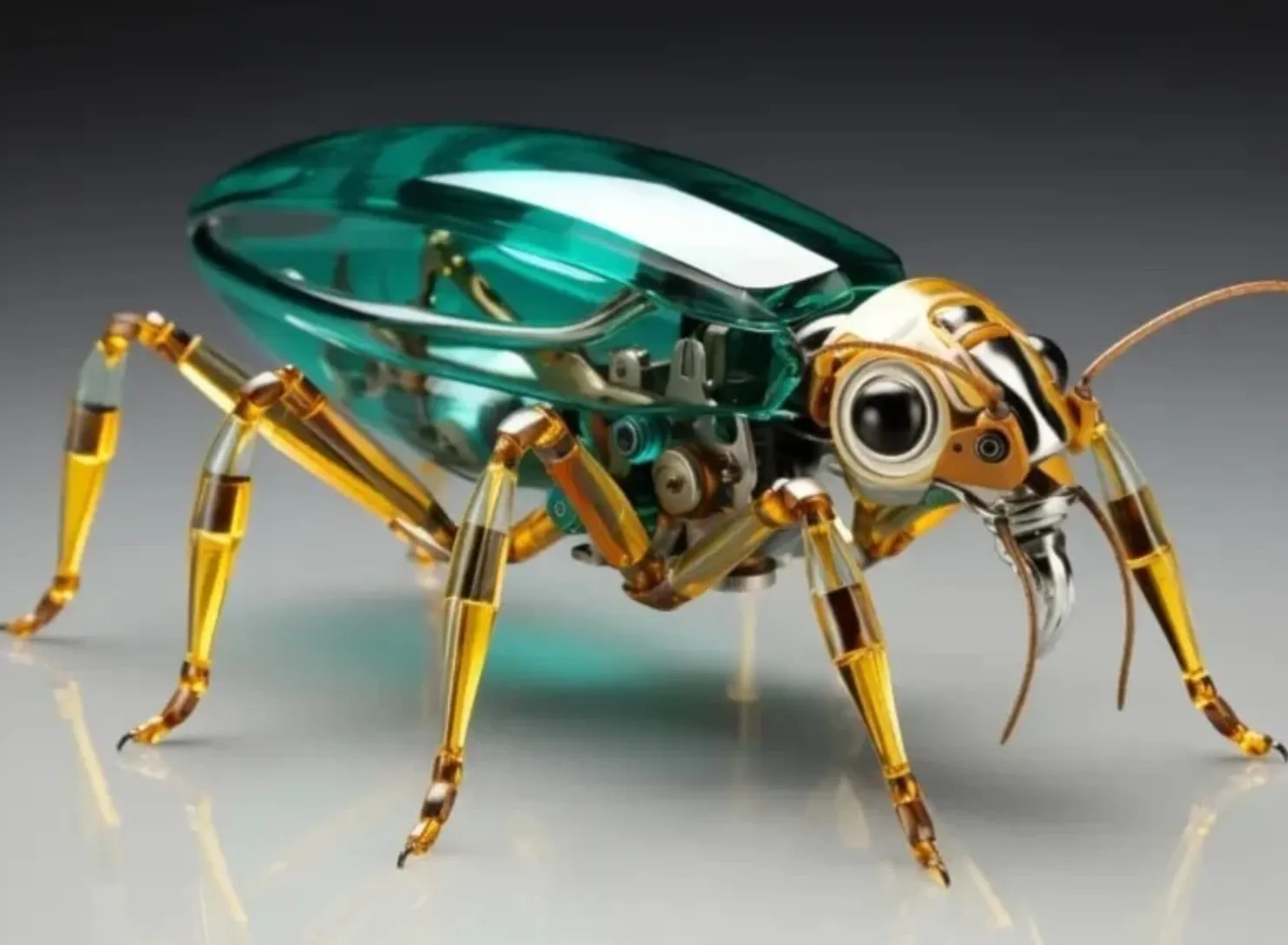
The research team from the University of Queensland and the University of New South Wales equipped giant burrowing cockroaches with miniature electronic devices, cameras and drug-delivery systems.
The researchers hope the insects could help rescue teams provide first aid to victims of earthquakes and building collapses by reaching narrow, debris-filled spaces before human rescuers can get there.
The World’s Heaviest Cockroaches
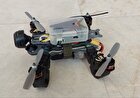
The researchers used giant burrowing cockroaches from northern Queensland, which can grow up to 8.5 centimeters long and are considered the heaviest cockroach species in the world. The insects were fitted with small backpacks carrying injection devices and miniature cameras.
“Many people may not welcome the sight of a giant cockroach rushing toward them, but if you are trapped under rubble or stuck in a cave and need help, it could make the difference between life and death,” said PhD researcher Hai Nan Li, who contributed to the study published in Advanced Science.
The approach goes beyond earlier research involving electronically enhanced insects, which has largely focused on using them to locate survivors rather than provide medical assistance.
Electronic Implants Enable Remote Control
The researchers chose live cockroaches because their agility, endurance and low energy requirements are difficult for robots to match.
Tiny implanted electrodes allow operators to stimulate the insects’ nervous systems and steer their movements remotely.
“We first anesthetize the insect and immobilize it so that it does not feel anything during the implantation procedure,” said bio-robotics engineer and study co-author Thang Vo-Duy.
“Once an electrode is implanted, we can send a small electrical signal to activate or stimulate the nervous system, allowing the insect to respond to our commands,” he added.
The system uses two types of cockroaches: a “scout” equipped with a camera to locate targets and another remotely controlled insect carrying medication.
Up to 95% Success in Drug Delivery
During laboratory tests, the system successfully guided the insects to designated checkpoints in 100% of trials. Overall, the drug-delivery success rate reached 72%.
The success rate rose to 95% when the injection was activated from within 15 centimeters of the target.
The researchers say the system could eventually help stabilize patients in emergencies where every minute counts, including severe allergic reactions and snakebite incidents.
In future experiments, the team hopes to deploy swarms of cockroaches deep inside collapsed buildings. A network of insects could help rescuers locate victims more quickly and accurately.
The experiments were conducted under controlled laboratory conditions using silicone targets and pig skin.
Further testing will be needed to address real-world challenges, including complex terrain, signal loss inside collapsed structures and the safety and precision of drug injections.
Ethical guidelines for insect-based research have not yet been standardized. The study noted that the cockroaches were kept in suitable living conditions and fed dried eucalyptus leaves and apples.