Gut Bacteria may predict type 2 Diabetes years before onset, study finds
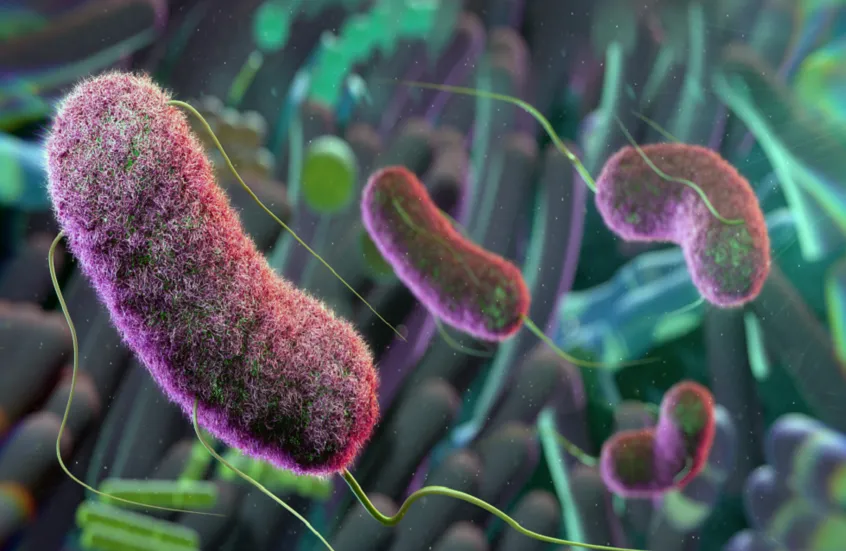
A new study by Swedish researchers has found that changes in the composition of gut bacteria may precede the onset of type 2 diabetes by several years, raising the possibility of identifying individuals at risk before clinical symptoms emerge.
The study included 4,685 adults in Sweden. Researchers analyzed stool samples to examine participants’ gut microbiota and monitored their health for an average of five years. During the follow-up period, 383 participants were diagnosed with type 2 diabetes.
Data analysis revealed that individuals who later developed the disease had a distinct gut microbiome profile long before diagnosis. Researchers identified nine bacterial species that were associated with an increased risk of developing type 2 diabetes.
One of the study’s most unexpected findings involved Akkermansia muciniphila, a bacterial species widely regarded as beneficial for gut health. The researchers found that when dietary fiber intake is insufficient, the bacterium may begin breaking down the intestine’s protective mucus layer, potentially promoting inflammation and metabolic dysfunction that can contribute to insulin resistance and the development of type 2 diabetes.
The study also found that the effects of certain bacteria depend on their abundance. For example, lower levels of Coprococcus catus were linked to a higher risk of type 2 diabetes, while no similar association was observed when the bacterium was present at higher concentrations.
According to the researchers, gut microbiome analysis could eventually become a valuable addition to existing diabetes risk assessment tools, complementing blood glucose measurements, genetic risk factors, and obesity-related indicators to improve early detection and prevention strategies.