Iran introduces stem cell therapy for osteoarthritis
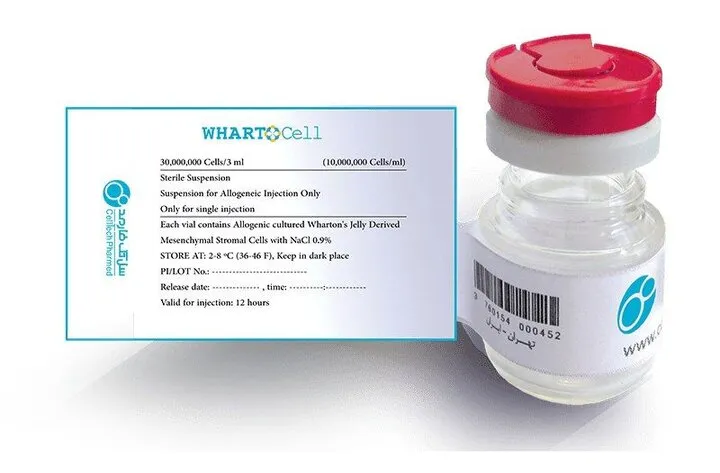
The Iranian Food and Drug Administration has authorized the clinical use of WhartoCell, a stem cell therapy developed by researchers at the Royan Institute for patients with osteoarthritis.
Derived from mesenchymal stem cells isolated from Wharton's jelly in the umbilical cord, the therapy is designed to reduce inflammation, promote cartilage regeneration, and improve joint function.
According to Mehdi Lotfipanah, Director of Public Relations and International Affairs at Royan Institute, wider awareness among healthcare professionals will be essential for integrating advanced cell therapies into routine clinical practice.
One of WhartoCell's key advantages is that it does not require human leukocyte antigen (HLA) matching between donor and recipient, allowing it to be used as an off-the-shelf treatment without complex preparation. The product is manufactured under Good Manufacturing Practice (GMP) standards to ensure quality and safety.
While the therapy has initially been approved for osteoarthritis, researchers believe it could also be applied to cartilage repair, tendon and ligament injuries, bone fracture healing, avascular necrosis (AVN), and other inflammatory joint disorders.
Royan Institute said the product represents a significant milestone for Iran's biotechnology sector, supporting domestic innovation and reducing reliance on imported regenerative therapies.
The institute also plans to promote scientific awareness of WhartoCell through workshops, educational programs, and presentations at the upcoming 27th International Royan Congress.
Founded as one of Iran's leading centers for stem cell research, Royan Institute has developed several advanced cell-based therapies over the past two decades, contributing to the country's expanding regenerative medicine and biotechnology landscape.