Qalibaf: Market Resilience Undermines U.S. Attempts to Drive Down Energy Prices
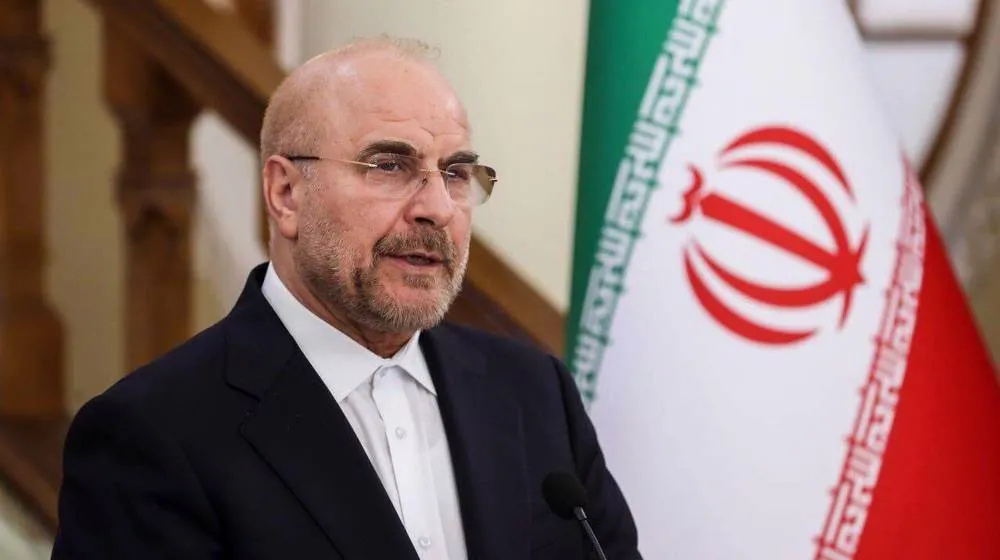
In a post published on his X account on Friday, Qalibaf criticized what he called a wave of misleading information disseminated by American officials aimed at driving energy prices downward.
He stated that repeated attempts to flood the market with false narratives have lost their effectiveness, saying the market has become “numb” and no longer reacts to such tactics. Qalibaf added that despite these efforts, actual market prices will ultimately prevail, questioning the effectiveness and strategic value of such actions.
He further argued that those behind the campaign had exhausted their ability to influence the market prematurely by overusing misinformation.
Meanwhile, Iran has imposed tighter controls on transit through the Strait of Hormuz, a key global energy route that accounts for roughly one-fifth of worldwide oil demand.
The measures, introduced in response to the February 28 U.S.-Israeli military actions against Iran, contributed to a surge in global oil prices, which climbed to nearly $120 per barrel by the weekend—almost double previous levels.
However, prices saw a temporary decline of up to 10% on March 23 after U.S. President Donald Trump stepped back from threats targeting Iran’s electricity sector, a move that could have escalated tensions further and driven prices even higher.
The United States and Israel launched a large-scale military offensive against Iran on February 28, despite ongoing indirect negotiations between Tehran and Washington over Iran’s nuclear program. The escalation included targeted assassinations of senior figures.
In response, Iranian armed forces carried out missile and drone operations targeting U.S. assets across West Asia and Israeli positions in occupied territories, describing the actions as part of a legitimate defense strategy.


















