UNESCO Official: Iran Able to Strengthen Region’s Leading Scientific Role
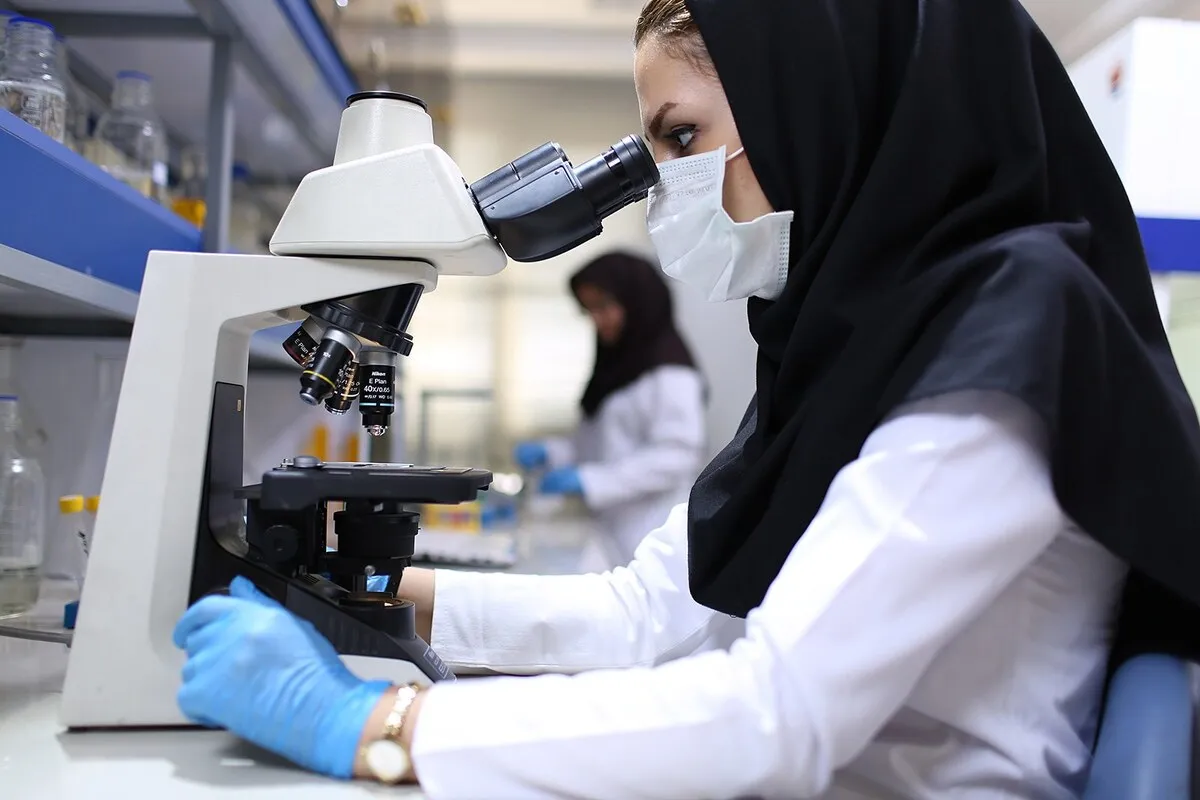
“The Islamic Republic of Iran has a prominent position in the region in the field of science, technology, and innovation; a position that has been formed based on remarkable achievements and solid scientific and educational structures,” Srong said.
“With over two million students in universities and about half a million graduates each year, Iran has a significant scientific capacity. Gender balance in higher education is also impressive, and the increasing presence of women in science, technology, engineering, and mathematics fields indicates the dynamism and positive transformation of the education system. This growing trend has provided a solid foundation of capable and innovative human capital for a bright future,” he added.
Noting that Based on statistics from 2022 to 2023, Iran ranks 15th in the world in terms of scientific article publications, Srong said, “The presence of about a thousand Iranian researchers among the top 1% of scientists in the world is a clear sign of Iran's significant and influential contribution to global research, specially in the fields of engineering, basic sciences, and applied sciences.”
The Vice-President of Research and Technology of Islamic Azad University’s Shahr-e Kord branch Farshid Kheiri announced in July that a scientist of this university is among the top 2% of the world scientists.
“The name of Nasir Landi, a student and researcher of this academic unit, was included in the list of two percent of the best scientists in the world,”Kheiri told ANA.
“According to the AD Scientific Index report, he was named the ninth best researcher of Shahr-e Kord branch and is the second best researcher in the field of medical, health and veterinary sciences of Islamic Azad University’s Shahr-e Kord branch in 2024,” he added.
Kheiri explained that the list of the top 2% scientists based on the international ranking of Stanford University researchers was presented by reviewing and evaluating the citations of the Scopus database and was published in October 2023 in the scientific database (Elsevier).
4155/v