Iran’s Persian Gulf Explorer to Conduct Research Patrol in Sea of Oman
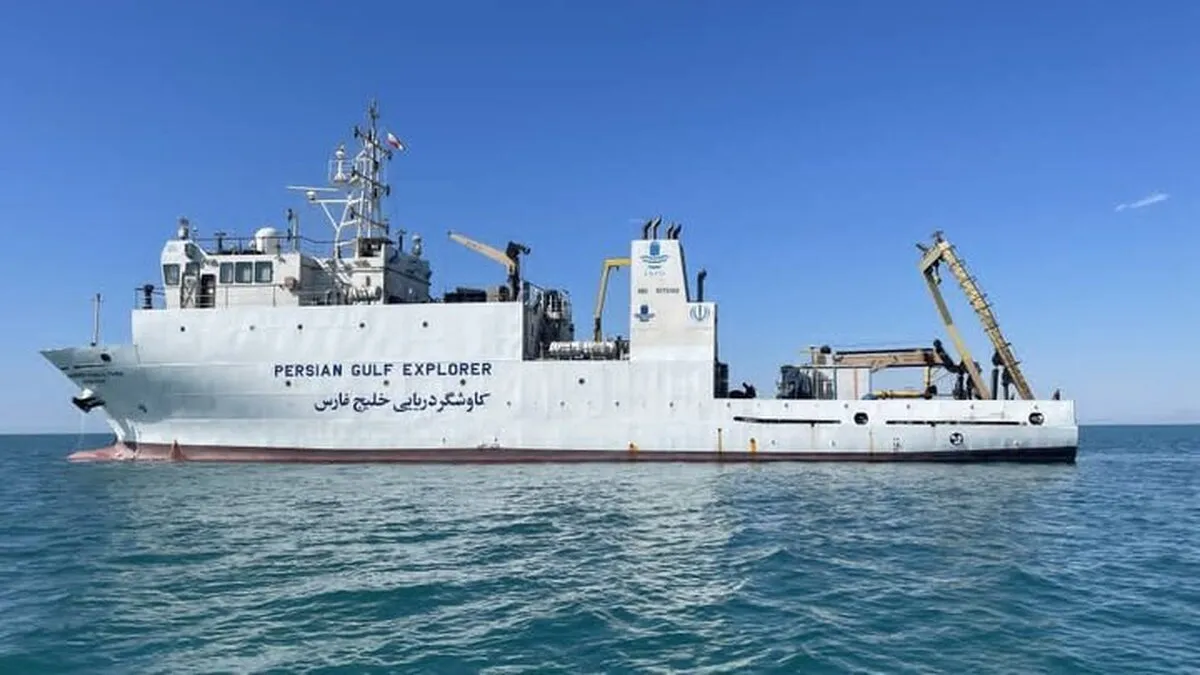
This scientific patrol, which includes implementation of a sampling and monitoring program at 95 research stations from the Strait of Hormuz to the water borders of Iran and Pakistan, will be conducted for about a month with the Persian Gulf Explorer research vessel.
During this patrol, various scientific groups of the research institute will conduct extensive studies in the fields of physical, chemical, biological, and marine geology oceanography.
These studies will include studying the structure of the water column to the depths of over 2,000 meters, monitoring the oxygen minimum (OMZ) conditions and its effects on biodiversity, investigating the cycle of nutrients and primary products, studying carbonate chemistry and the process of ocean acidification, tracking mineral, organic and microplastic pollution, as well as investigating phytoplankton, zooplankton, benthic and microbial communities.
Sedimentological programs will also include studying the geochemistry and mineralogy of sediments, coring, and paleoclimate analysis of the Sea of Oman.
Another important focus of this expedition is monitoring and coring satellite and drone remote sensing data with field data, which will help improve the accuracy of regional models. In addition, dust particles will be sampled over the Sea of Oman to investigate their origin and role in marine sedimentation.
The Persian Gulf Explorer is equipped with five laboratories and advanced technologies for the study of the physical and the biological aspects of the sea and oceanology.
The vessel has been built by local shipbuilding industries, thanks to the cooperation of 16 researchers and some 10,000 workers and in association with more than 150 industrial units, universities, and knowledge-based companies.
4155/v