Iranian Firm Produces Biological Fertilizer for Drought Conditions
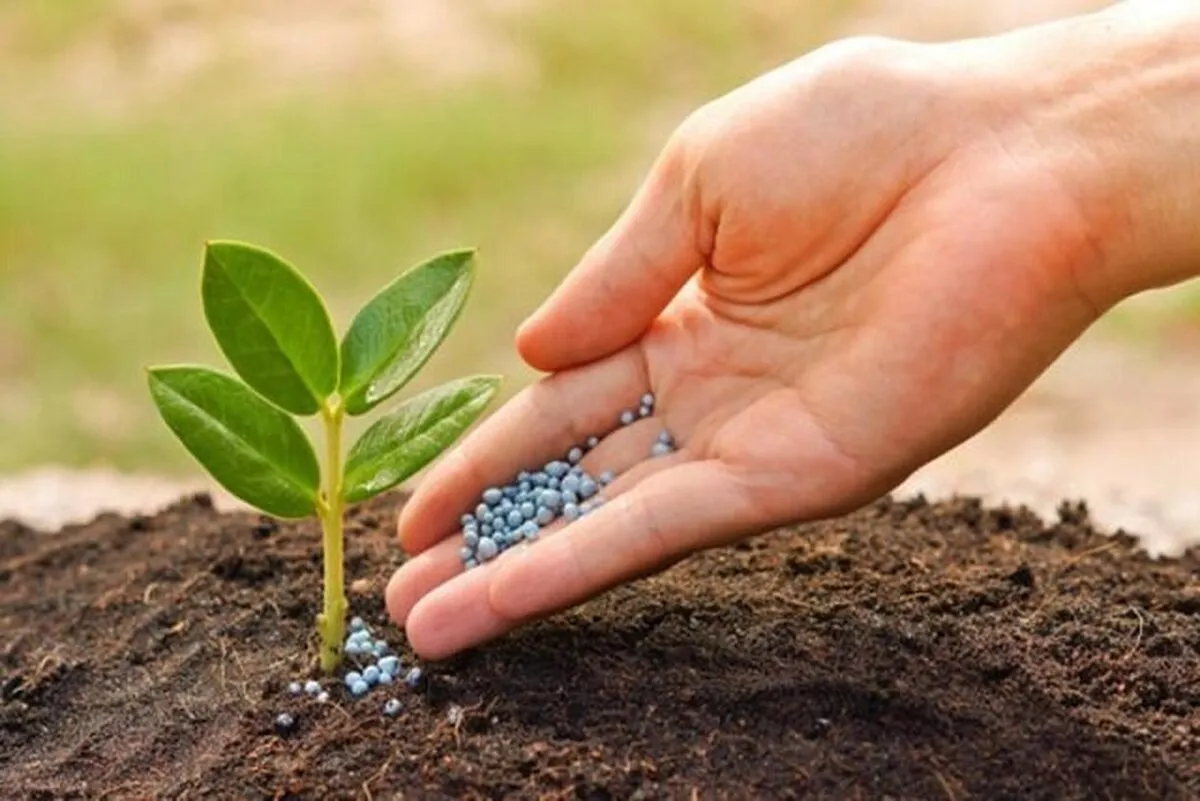
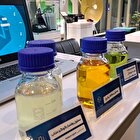
The researchers at the knowledge-based company took an effective step in reducing water consumption and maintaining agricultural production in the country's drought conditions by producing ‘biological fertilizer that makes plants resistant to salinity and drought stresses’.
“The specific bacteria in the formulation of this fertilizer, through the secretion of special hormones and enzymes, as well as the promotion of the gene systems of plants under stress conditions, increase the absorption of nutrients and overcome the cessation of plant growth and stimulate its growth again in such conditions, which is the main factor in plant resistance in stressful conditions,” said Maryam Safdarian, the managing director of the knowledge-based company.
“Since the excessive use of chemical fertilizers causes pollution and salinity of water and soil, reduced quality of agricultural products, and water shortages and droughts, we proposed the idea of exploiting the capacity of microorganisms to improve plant gene systems as one of the successful approaches to improve plant production and performance in harsh environmental conditions,” she added.
In a relevant development in May, an Iranian technologist had also succeeded in production of a biodegradable polymer-based slow-release fertilizer for the agricultural industry which provides a controlled release of nitrogen over a period of 132 days.
“This level of long-term release, specially in high-rainfall areas, can reduce urea consumption by up to 75 percent,” said Arash Adibi Sadeh, the project manager.
“This technology, by using agricultural and livestock waste to cover the fertilizer, in addition to reducing production costs, is an important step towards developing bio-based products and reducing environmental impacts,” he added.
Adibi Sadeh explained that the slow-release nano-based biofertilizer brings numerous benefits to Iran’s agriculture, including maintaining the stability of nitrate levels in plants within global standards, which guarantees consumer safety.
“Increasing plant resistance to environmental stresses like soil salinity, extreme heat, drought, and heavy metals, through the targeted use of active nanoparticles, and high efficiency in winter, specially when urea production declines due to energy imbalance, are other features of this fertilizer,” he underlined.
4155/v