Iranian Company Uses Home-Made Nanobubble Generator to Produce Hydroponic Strawberry
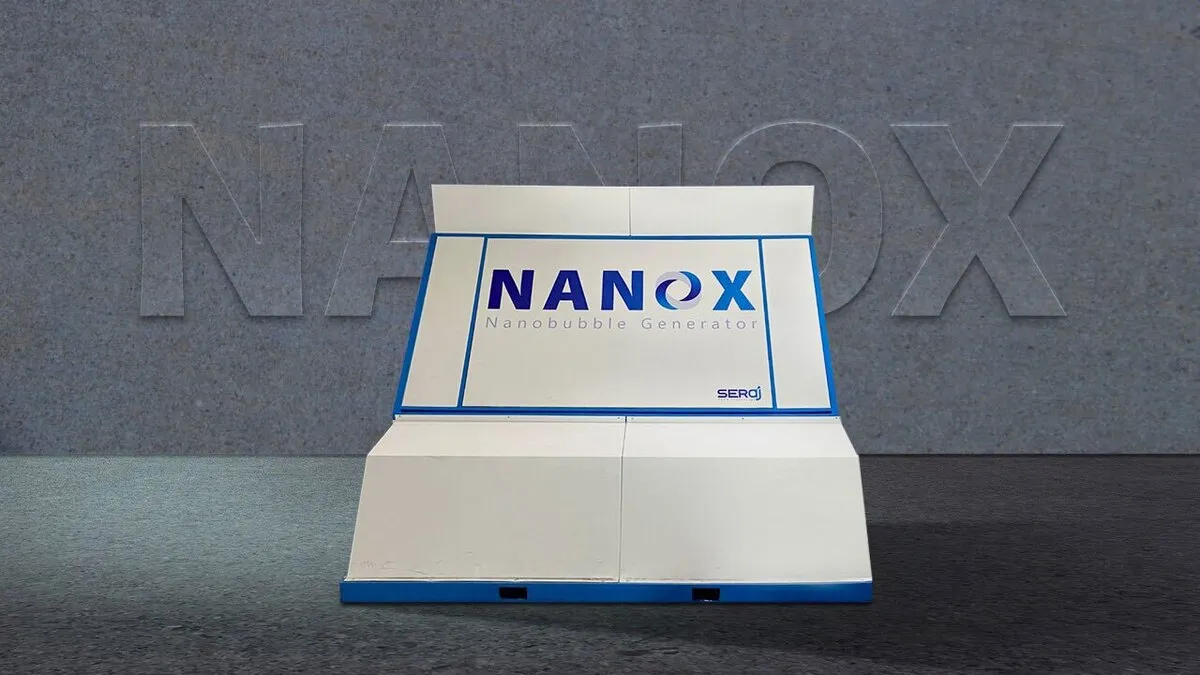
“The use of nanobubble water has significantly increased the dissolved oxygen in the irrigation system, and this increase has not only improved plant growth but also reduced the need for many additives and chemical inputs,” said Valid Ettehadi, an activist in the field of greenhouse agriculture.
He noted that based on the data recorded in the greenhouse, the amount of dissolved oxygen in the water in normal conditions and without the use of nanobubbles was about 5 ppm, adding that after installing the NANOX device, this amount increased to the range of 14 to 16 ppm, which shows an increase of more than 200 percent and has greatly improved the root environment and balanced and enhanced its biological activities.
“One of the most important effects observed in the greenhouse cultivation system has been the complete elimination of the need for fungicides, Ettehadi said, adding that in conventional hydroponic cultivation methods, after the first harvest, the environment around the roots becomes susceptible to fungal growth, and farmers are forced to use chemical fungicides.
“After the use of nanobubble water, fungicides have no longer been needed and the health of the root bed has been maintained naturally,” he stated.
Noting that another result recorded is a significant increase in production efficiency, Ettehadi said, “The total amount of products produced in the strawberry greenhouse has increased by 13% over these years, and the proportion of premium products has also shown a growth of 25%.”
In a relevant development in May, Iranian Technologists at a knowledge-based company had also developed nanobubble systems which are used to equip hydroponic and soil greenhouses to improve their performance and yield.
Hossein Kazzerouni, the managing director of the knowledge-based company, announced the equipment of several soil greenhouses in different parts of Iran with the NANOX nanobubble system, and said, “After the significant reception of this technology by hydroponic greenhouses, its application in soil cultivation was also put on the agenda last year, and initial results indicate an eye-catching increase in production and user satisfaction.”
He described the advantages of hydroponic cultivation in soil as improving soil structure and increasing its porosity due to the continuous use of water enriched with oxygen nanobubbles, and enhancing the activity of beneficial aerobic microorganisms in the soil, which play a significant role in increasing fertility and crop yield.
4155/v


















