Iranian Knowledge-Based Firm Turns Petroleum-Based Waste into Fuel Oil
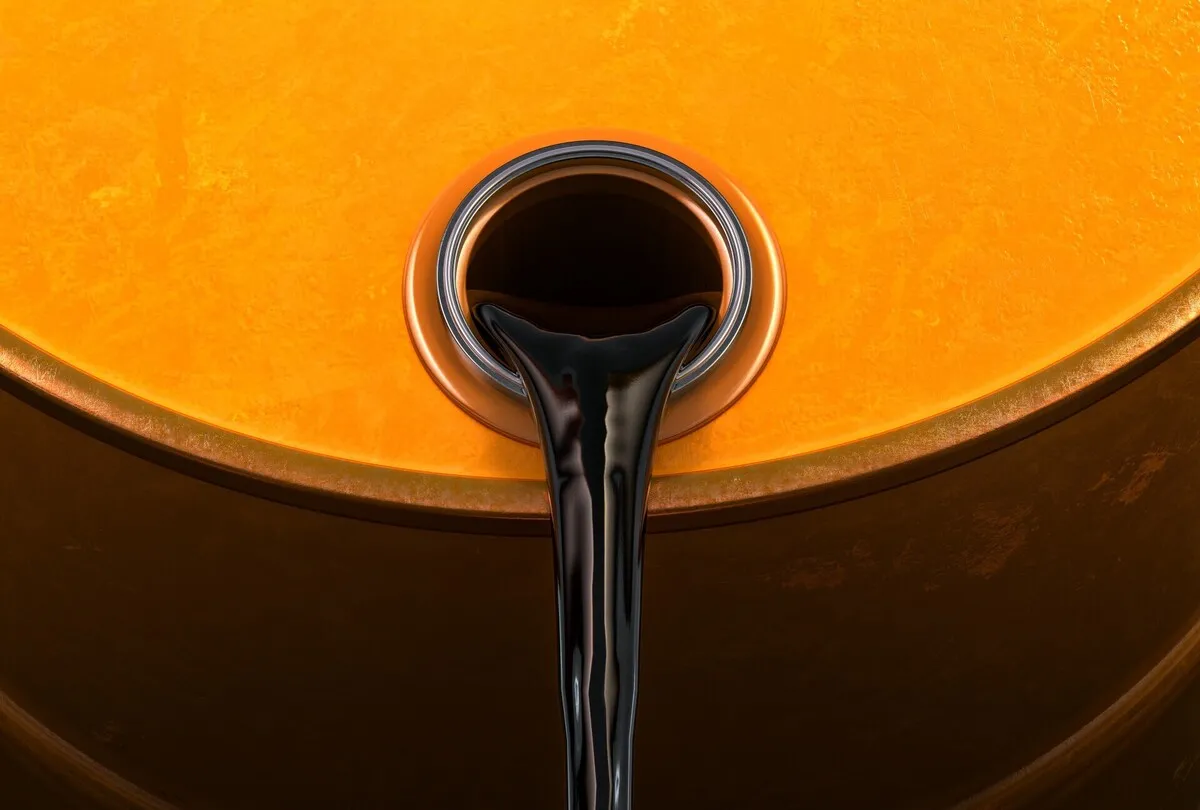
“The device, called the pyrolysis device, is one of our achievements that can convert petroleum-based, household, hospital waste, and even industrial wastewater into fuel oil,” said Esmayeel Khataminejad, the managing director of the knowledge-based company.
He explained that in this device, the waste is first converted into light and heavy hydrocarbons in a vacuum, and the residue of this process is black carbon, which has many applications in the chemical industry, adding, “After this stage, the obtained materials enter the distillation tower and are converted into Euro 5 gasoline, diesel, octane, and other products.”
“This device, with low electricity consumption and the use of special solvents, has been able to produce fuels of higher quality than the European models, because it is able to produce valuable products from carbon-containing waste without any waste. The device's linear burner is fed from the gas produced in the process itself, which is considered a technical innovation,” Khataminejad said.
In a relevant development in June, a group of Iranian researchers from Amirkabir University of Technology had also presented an environmentally-friendly asphalt mixture by using waste materials to repair asphalt pavement damages.
“In this project, we presented a solution for repairing asphalt pavement damage by using the ability of induced repair, in a way that 50% to 70% of the life of asphalt pavements can be restored,” said Hamid Jahanbakhsh, a researcher of the project.
“On average, this asphalt mixture is 90% cheaper for each year of increase in the life of the pavement structure compared to conventional methods and reduces environmental pollution and energy consumption by 60%,” he added.
“In this study, by optimizing the conductive asphalt mixture in the laboratory phase, we introduced a cold asphalt mixture that can be manufactured by using induction heating using electromagnetic waves. This product significantly reduces energy consumption and greenhouse gas emissions compared to hot asphalt mixture,” Jahanbakhsh said.
“This material is produced based on waste materials and materials that not only have a high capability to absorb electromagnetic waves, but also have a good induction healing ability,” he added.
4155/v