Insects Disappearing Even from ‘Untouched’ Landscapes
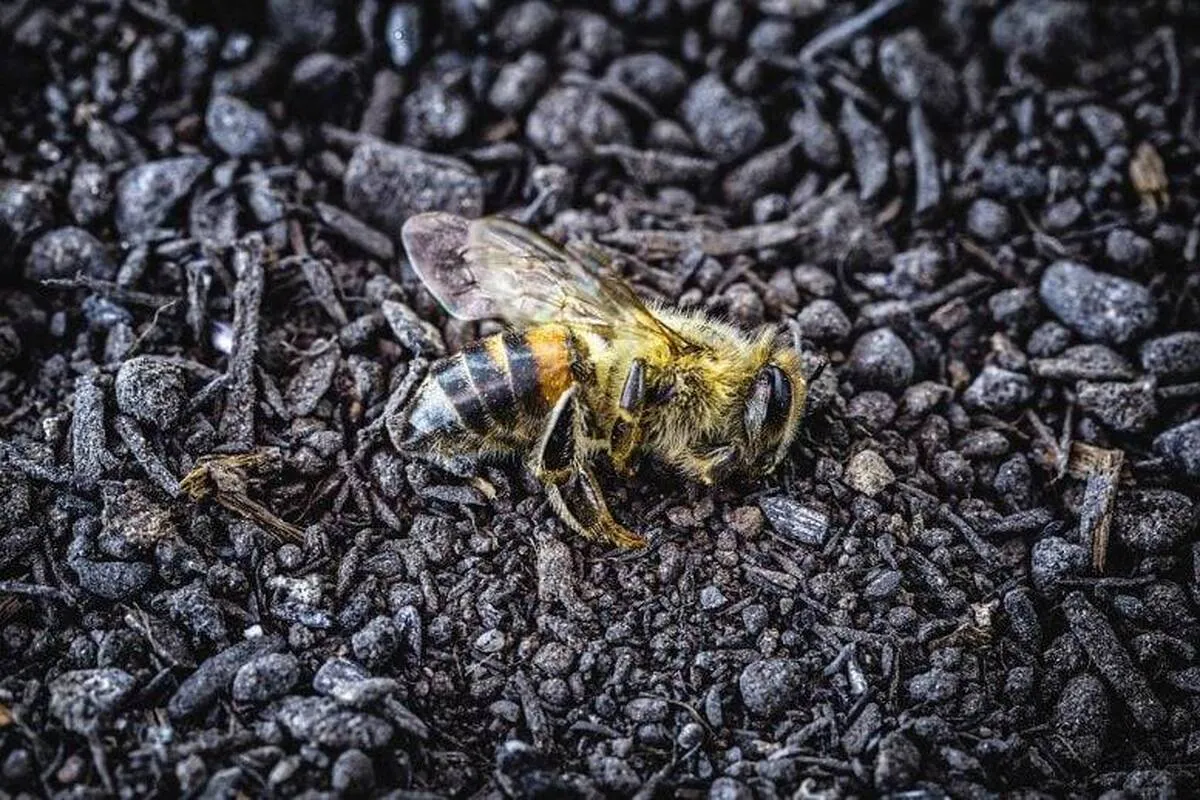
This trend raises serious concerns for the stability of ecosystems that rely on insects for essential functions.
Keith Sockman, an associate professor of biology at UNC-Chapel Hill, monitored flying insect populations across 15 field seasons between 2004 and 2024 in a subalpine meadow in Colorado, the journal Ecology reported.
The site provided 38 years of weather records and had experienced minimal human impact. His analysis showed an average annual reduction of 6.6% in insect abundance, which adds up to a 72.4% loss over two decades. The decline was strongly linked to rising summer temperatures.
“Insects have a unique, if inauspicious position in the biodiversity crisis due to the ecological services, such as nutrient cycling and pollination, they provide and to their vulnerability to environmental change,” Sockman said. “Insects are necessary for terrestrial and freshwater ecosystems to function.”
These results help fill an important gap in global insect research. Although many studies on insect decline emphasize ecosystems heavily altered by humans, far fewer have looked at populations in largely untouched environments. This work shows that sharp declines can still happen in such areas, pointing to climate change as a likely driving factor.
“Several recent studies report significant insect declines across a variety of human-altered ecosystems, particularly in North America and Europe,” Sockman said. “Most such studies report on ecosystems that have been directly impacted by humans or are surrounded by impacted areas, raising questions about insect declines and their drivers in more natural areas.”
Sockman emphasizes the urgency of these results for biodiversity conservation: “Mountains are host to disproportionately high numbers of locally adapted endemic species, including insects. Thus, the status of mountains as biodiversity hotspots may be in jeopardy if the declines shown here reflect trends broadly.”
This research highlights the need for more comprehensive monitoring of insect populations in a variety of landscapes and adds urgency to addressing climate change. By showing that even remote ecosystems are not immune, the study underscores the global scale of the biodiversity crisis.
4155/v