Iranian Scientists in UQ Grow Living Skin in World-First
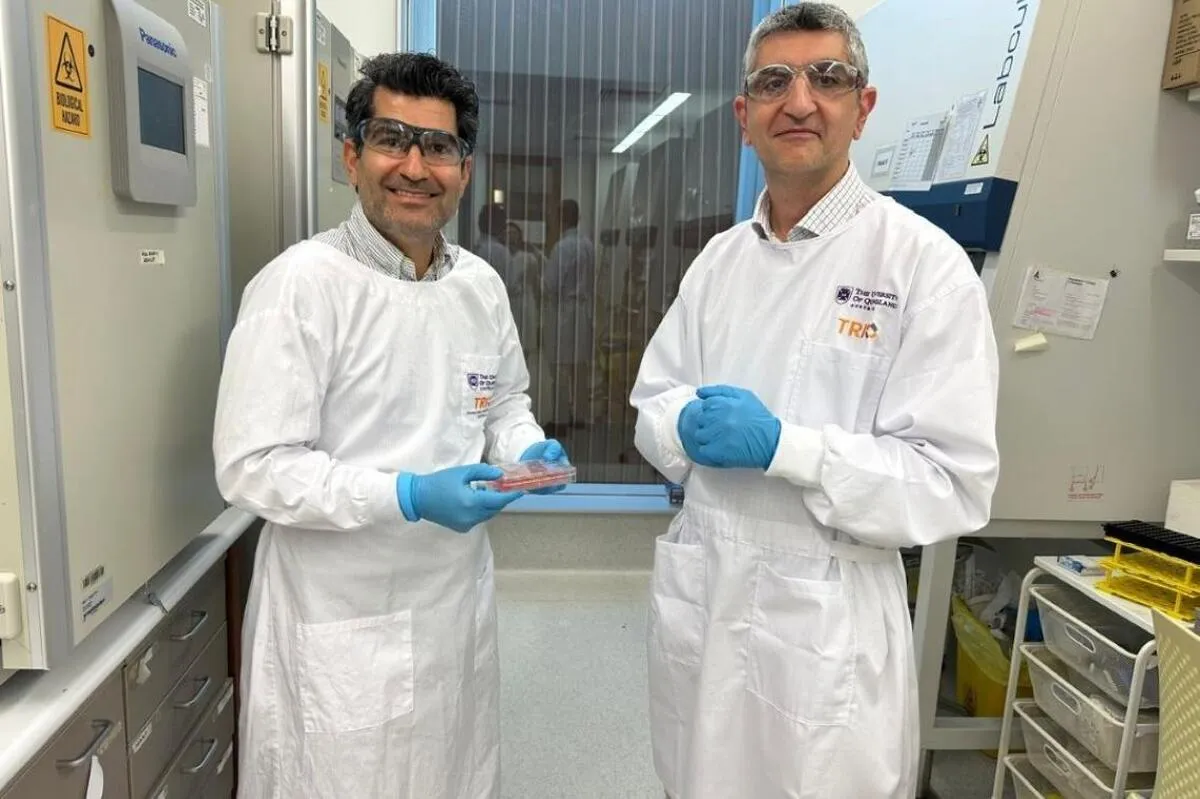
The research team at UQ’s Frazer Institute used stem cells to create a replica of human skin, complete with blood vessels, capillaries, hair follicles, layers of tissue and immune cells.
Shafiee said the skin model, that was 6 years in the making, would be transformative for skin graft transplants, wound healing and studying skin disorders.
“This is the most life-like skin model that’s been developed anywhere in the world and will allow us to study diseases and test treatments more accurately,” he added.
“Until now, scientists have been limited in how we study skin diseases and develop new therapies.
“But with a skin model like this, that closely mimics real human skin, we will be able to study diseases more closely, test treatments and develop new therapies more effectively.”
Shafiee, who conducted the study in collaboration with Metro North Health, said recent advancements in stem cell research allowed them to create 3-dimensional skin lab models.
“We took human skin cells and reprogrammed them into stem cells, which can be turned into any type of cell in the body,” Shafiee said.
“We placed these stem cells into petri dishes and grew them into mini versions of skin, called skin organoids.”
“We then used the same stem cells to create tiny blood vessels and added these to the growing skin.
“It developed just like natural human skin, with layers, hair follicles, pigmentation, appendage patterning, nerves, and most importantly, its own blood supply,” he said.
Also Khosrotehrani said the engineered skin would help improve skin graft transplants and treatments for inflammatory skin disorders such as psoriasis, atopic dermatitis, scleroderma and other genetic diseases.
“Skin grafts are used to treat major wounds and burns, but their effectiveness can be limited, and the risk of infection is high,” Khosrotehrani said.
“This skin model will enable us to further progress those treatments, along with wound healing, regenerative medicine and precision dermatology.
“Skin disorders can be difficult to treat, and it’s a real breakthrough to be able to provide hope for people living with chronic conditions.”
The research received funding from Metro North Health and was carried out at the Translational Research Institute.
4155/v


















