Iranian Technologists Produce Specialized Nano-Based Radiopharmaceutical for Cancer Patients
Tilmanocept is a complex polymer macromolecule that, in addition to carrying the diagnostic radioisotope technetium, can bind to receptors on the surface of cancer cells. This feature allows this drug to identify cancer cells with high accuracy.
One of the most important advantages of producing this radiopharmaceutical in Iran is the significant reduction in diagnosis costs. The cost of lymphatic system mapping using tilmanocept in Iran has been reduced to one-tenth of global prices. This cost reduction not only increases patients' access to this technology, but also creates a suitable export potential for Iran.
Since the lymphatic system is one of the main routes of metastasis in cancers, the use of this radiopharmaceutical could be useful for about 90% of cancer patients.
Unlike other radiopharmaceuticals, which are usually used to diagnose a specific type of cancer, tilmanocept can scan the spread of cancer throughout the lymphatic system. This feature makes the drug useful for a wide range of cancers.
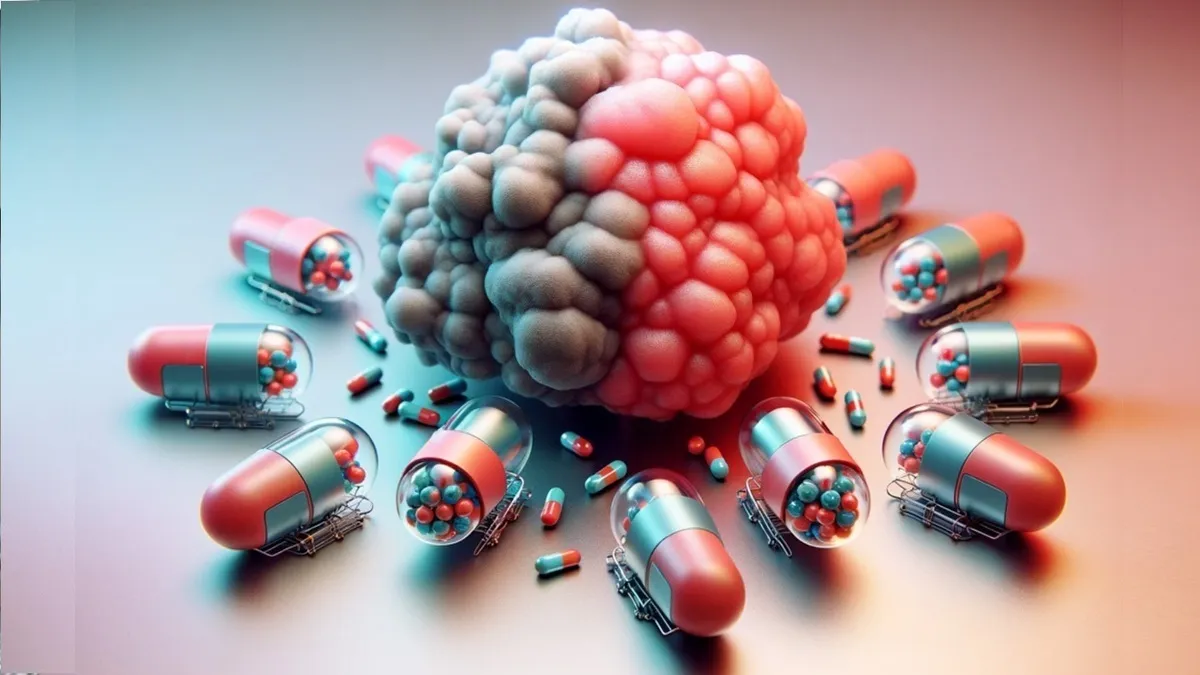
In a relevant development in June, technologists at an Iranian company stationed at the Science and Technology Park of Ferdowsi University of Mashhad had also designed and produced a nanoparticle-based drug capable of targeting cancerous cells without harming healthy tissues.
The company put the synthesis of Alzheimer's and glioma cancer drugs based on exosomes and nanoparticles on its agenda for research work.
The designed drug contains effective nanoparticles as antioxidants and anticancer agents for easy absorption in epithelial cells.
This drug platform is capable of targeted drug delivery and allows for unrestricted exosome transplantation.
Helping to treat the disease without causing allergies and other problems, targeted treatment without negative impacts on other cells and adjacent tissues, and gradual release and treatment of cells at risk of increased ROS levels are other advantages of the drug.
4155/v