Nanomicellar capsule developed to support liver health
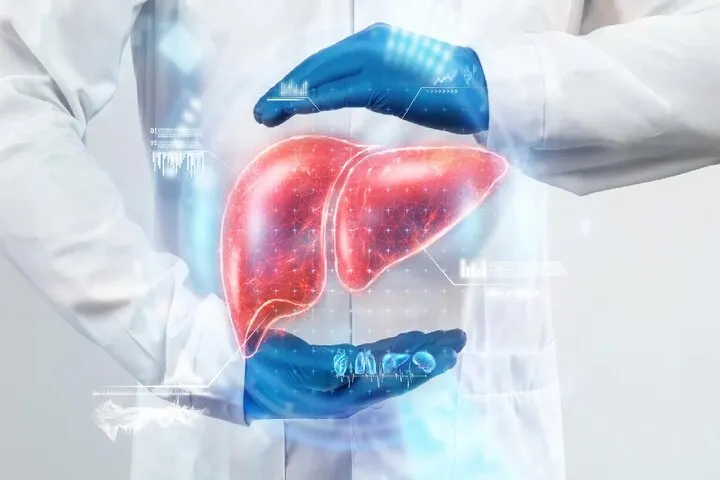
Silymarin, a flavonoid compound extracted from milk thistle, is recognized for its antioxidant, anti-inflammatory and hepatoprotective properties and has been studied for its potential role in supporting liver health. However, its low solubility and limited bioavailability in conventional oral formulations can reduce absorption.
In Sinalio 70, silymarin is incorporated into nanomicelles approximately 10 nanometers in size to improve its solubility and oral absorption and potentially enhance the formulation’s effectiveness.
The company has introduced Sinalio 70, an oral product containing nanomicellar silymarin, to the domestic pharmaceutical market. The formulation is designed to improve silymarin absorption and facilitate more effective use of the compound’s potential in supporting liver health.
Sinalio 70 is a soft gelatin capsule containing 70 milligrams of silymarin per capsule. The product is supplied in blister packs containing 30 capsules. Its main feature is its nanomicellar formulation, which is designed to increase the solubility and absorption of the active ingredient.
Silymarin is derived from the plant Silybum marianum. Because of its antioxidant, anti-inflammatory and hepatoprotective properties, the compound has been investigated in various studies. It is used as a complementary compound for the prevention and management of a range of liver diseases and injuries.
One of the key properties attributed to silymarin is its ability to counter oxidative stress. By inhibiting free radicals, the compound may protect liver cells against some forms of oxidative damage. Free radicals are among the factors that contribute to cellular injury, and controlling them may be important for maintaining liver-cell function.
Silymarin may also help stabilize cell membranes and regulate their permeability, potentially limiting the entry of certain hepatotoxic agents into liver cells. Alongside its other protective effects, this property is one reason the compound has attracted attention in products related to liver health.
Another proposed mechanism involves increasing intracellular glutathione levels. Glutathione is one of the most important antioxidant compounds within cells and plays a key role in counteracting damaging agents. Increasing its levels may help strengthen the defense system of liver cells.
Silymarin may also stimulate DNA polymerase, leading to increased ribosomal RNA synthesis. This process is involved in protein synthesis and cellular regeneration, through which silymarin may contribute to the renewal of liver cells. In addition, anti-inflammatory effects have been reported through the inhibition of certain signals and factors involved in inflammatory processes.
Despite these properties, a major challenge in the oral use of silymarin is its low water solubility and limited bioavailability. Silymarin is lipophilic, meaning it has an affinity for fats, and its absorption can therefore be low in conventional oral forms such as powders, capsules and tablets. As a result, some of the administered active ingredient may not be fully absorbed by the body.
The formulation marketed as Sinalio 70 was designed to address this limitation. In the product, silymarin is encapsulated within the hydrophobic core of spherical nanomicelles. These nanomicelles are approximately 10 nanometers in size, and their structure increases the solubility of silymarin in aqueous environments.
Nanomicelles are structures capable of transporting lipophilic compounds more effectively in aqueous environments. In Sinalio 70, this property is used to improve the behavior of silymarin within the gastrointestinal tract, potentially placing the active ingredient in more favorable conditions for oral absorption.
Following oral administration, the soft gelatin capsule containing the silymarin nanomicelles opens in the acidic environment of the stomach in less than 15 minutes, releasing and dispersing its contents. According to information provided for the formulation, the nanomicelles remain stable in the acidic gastric environment for at least six hours without disintegrating.
Their stability in the stomach allows the nanomicelles to reach the small intestine intact. Once there, they facilitate the transport of silymarin across the unstirred water layer present on the surface of intestinal epithelial cells. This layer is considered one of the barriers to the absorption of lipophilic compounds.
Facilitating the passage of silymarin across this barrier may increase its oral absorption. Consequently, the nanomicellar formulation may help overcome the limited absorption associated with conventional silymarin products. According to the product specifications, this feature may also reduce the frequency of Sinalio 70 administration compared with some conventional oral silymarin formulations.
Sinalio 70 is intended to help prevent and manage liver diseases and injuries. Reported applications include acute and chronic hepatitis, liver cirrhosis and jaundice. Its use has also been proposed for alcoholic and non-alcoholic fatty liver disease, elevated liver enzymes associated with certain medications, and other inflammatory liver conditions.
The formulation may also be used as an adjunctive treatment for liver problems resulting from excessive use of certain medications, including acetaminophen and some chemical drugs used in addiction treatment. The type and severity of liver injury, as well as an individual’s medical condition, are important factors in determining treatment. Such products should therefore be used under the guidance of a physician or relevant healthcare professional.
The significance of this formulation lies in the effort to improve the body’s utilization of a naturally derived compound. Although silymarin has attracted attention for its antioxidant, anti-inflammatory and hepatoprotective properties, its limited solubility and absorption in conventional formulations can restrict its effective use.
Incorporating silymarin into nanomicelles approximately 10 nanometers in size represents the approach used in Sinalio 70 to improve these properties.