Genes may shape how microplastics affect the brain
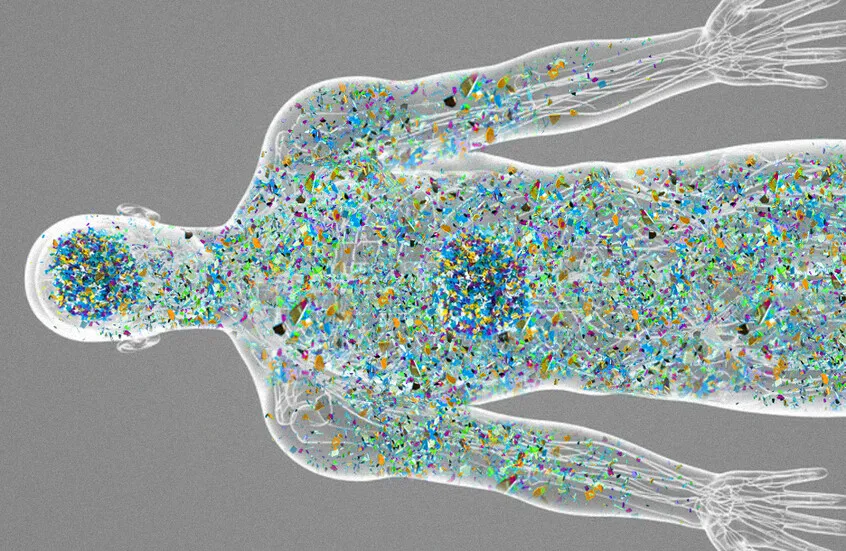
Researchers from Novosibirsk found that microplastic exposure produced different effects in mice depending on their genetic background, potentially influencing brain aging and neurodegenerative changes.
The findings were presented by Natalia Stefanova, principal researcher at the Laboratory of Molecular Mechanisms of Aging at the Institute of Cytology and Genetics of the Russian Academy of Sciences’ Siberian Branch, during the Technoprom-2026 scientific forum held in western Siberia in late August.
Previous research from scientists in Vienna estimated that people may consume around 5 grams of microplastics each week—roughly the weight of a bank card. Researchers have been studying the potential role of environmental factors such as microplastic exposure in the aging process.
Stefanova said the effects of consuming microplastics depend on an organism’s genotype, including characteristics of neurons and glial cells in the brain.
The experiments showed that microplastic exposure triggered different responses depending on the animals’ genetic background. Healthy animals followed one pattern, while those already predisposed to neurodegenerative changes showed another.
The researchers warned that continued exposure to microplastics could potentially accelerate brain aging and, in turn, contribute to aging in other organs and systems.
Different Responses in Mice
During the experiments, researchers added microplastic particles to the diets of two strains of laboratory mice. The particles were made from polyethylene terephthalate (PET), a material widely used in bottles, containers and other packaging.
Healthy mice exposed to the particles developed an inflammatory response. In contrast, mice genetically predisposed to Alzheimer’s disease showed changes in the distribution of cells within the hippocampus, a brain region essential for memory and learning.
The researchers plan to conduct further studies of the mice’s internal organs to determine where the highest concentrations of microplastic particles accumulate.