Iranian expert: Hybrid technology can cut fuel use and urban emissions
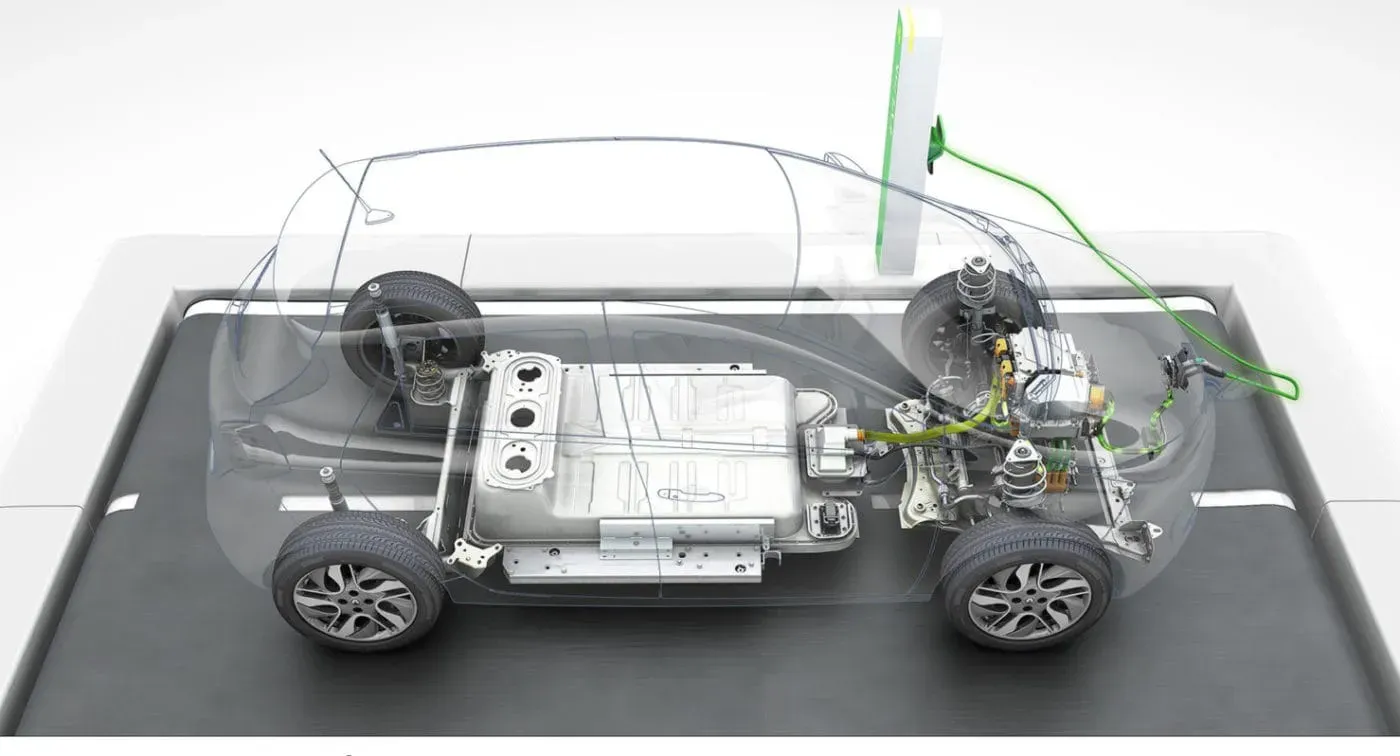
With rising fuel demand and growing concerns over fuel shortages, the adoption of advanced automotive technologies has become an increasingly important strategy for improving energy efficiency in Iran’s transportation sector.
Masiha Tehrani, a faculty member, associate professor and head of the Dynamic Systems Department at Iran University of Science and Technology, said the development of hybrid vehicles represents the most effective long-term solution for reducing fuel consumption in the automotive industry.
Speaking to the Iranian news outlet ANA, Tehrani said hybrid technologies could lower gasoline consumption by 30 to 50 percent while reducing vehicle emissions, particularly in heavy traffic conditions, by up to 50 percent.
He explained that fuel efficiency and manufacturing quality remain among the key indicators of automotive performance, adding that current conditions in Iran have made fuel management a critical priority.
“From a technical and long-term perspective, the main solution is the development of hybrid, mild-hybrid, plug-in hybrid and eventually fully electric vehicles,” Tehrani said, noting that this is the path currently being followed by major global automakers.
Hybrid Development Requires Strategic Support
Tehrani said domestic automakers have already entered the hybrid vehicle market through cooperation with foreign partners, particularly Chinese companies. However, he emphasized that successful commercialization requires stronger management, strategic planning, sufficient funding and continuous institutional support.
He added that hybrid versions of existing domestic vehicle platforms could be developed without the need to design entirely new vehicles, making the transition more technically and economically feasible.
According to Tehrani, hybrid vehicles can reduce fuel consumption by at least 30 percent and, under certain conditions, by up to 50 percent — a significant improvement from both economic and environmental perspectives.
Existing Platforms Can Be Adapted for Hybrid Systems
Discussing the possibility of converting current vehicles into hybrid models, Tehrani said existing vehicles cannot be easily transformed into hybrids because such a process requires major changes to the powertrain system.
However, he explained that hybrid versions can be developed based on current vehicle platforms by replacing conventional engines with smaller combustion engines combined with electric motors and compact battery systems.
“In these systems, the combustion engine can be designed around 30 percent smaller, while an electric motor and a relatively small battery pack are added,” he said.
The battery capacity required for such hybrid systems is estimated to be between one-tenth and 20 percent of the capacity used in fully electric vehicles, making the technology more accessible for mass production.
Tehrani stressed that the required technical expertise already exists in Iranian universities, but the country has yet to establish the necessary mechanisms to transfer this knowledge into large-scale industrial production.
Domestic Research Capacity Already Exists
The university professor pointed to the scientific capabilities of Iran’s universities, knowledge-based companies and automotive research centers, saying numerous studies and prototypes have already been developed.
He noted that companies including Iran Khodro, SAIPA, Kerman Motor and Bahman Group have worked on various hybrid vehicle prototypes in recent years.
“The main challenge is not a lack of technical knowledge, but insufficient support to move these projects from research and development stages to mass production,” he said.
Hybrid Vehicles Offer Economic and Environmental Benefits
Addressing production costs, Tehrani said international experience, particularly from China’s automotive sector, shows that the price difference between hybrid and conventional vehicles is relatively limited.
He estimated that hybrid models are typically only 10 to 20 percent more expensive than traditional vehicles, while offering around 30 percent lower fuel consumption and improved performance in congested urban environments.
According to him, the additional production costs can be recovered over time through fuel savings and reduced environmental impacts.
Hybrid Cars Could Reduce Urban Emissions
Tehrani highlighted that the environmental advantages of hybrid vehicles extend beyond fuel savings.
He explained that in traffic conditions, when vehicle speeds are low, a significant portion of movement is powered by the electric motor, allowing emissions from individual vehicles to decrease by up to 50 percent.
He clarified that this figure refers to the reduction in emissions from individual vehicles under urban driving conditions and does not represent a 50 percent reduction in total city-wide pollution.
The expert warned that air pollution is no longer limited to Tehran, with more than 10 Iranian cities facing severe air quality problems due to factors such as industrial activity, poor fuel quality and aging transportation fleets.
Automatic Transmissions Not a Primary Solution
Commenting on the role of automatic transmissions in reducing fuel consumption, Tehrani said such systems can improve efficiency by preventing improper gear changes and reducing engine stress.
However, he emphasized that automatic transmissions should not be considered the main solution for lowering fuel consumption, as their impact remains limited compared with hybrid technologies.


















