Smart toilets: a medical revolution in the early detection of disease
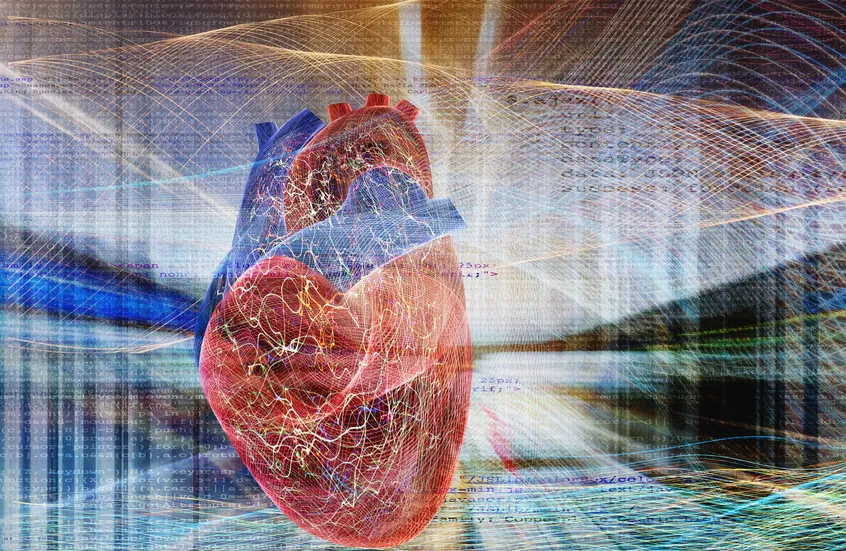
Scientists and companies are developing smart toilets capable of tracking a range of vital indicators, from heart rate and blood oxygen levels to urine and stool analysis, with the aim of detecting health problems at an early stage.
The concept is to turn everyday bathroom habits into a form of continuous health monitoring, allowing changes that may indicate disease to be detected before obvious symptoms appear and potentially enabling earlier treatment.
One of the most notable developments in the field is a smart toilet seat developed by German company Hamburger Medical. The seat can perform an electrocardiogram (ECG) to detect heart rhythm disorders, particularly atrial fibrillation, one of the major risk factors for stroke.
Atrial fibrillation can lead to the formation of blood clots that may travel to the brain and cause a stroke. Detecting the condition can be difficult because it may occur intermittently, meaning some cases are diagnosed only after complications develop.
Atrial fibrillation is currently monitored using devices such as Holter monitors, which can track heart activity for up to 48 hours. However, they provide only a limited snapshot of a patient's condition and can be uncomfortable to wear.
The smart toilet seat is designed to offer a more convenient alternative. It contains four electrical electrodes that record heart activity for 30 seconds while the user is seated. The data can then be sent to a smartphone application and shared with a doctor.
The company said a clinical trial comparing the smart seat with conventional hospital ECG testing found similar capabilities in detecting heart rhythm disorders. However, the study's results have not yet been published in a peer-reviewed scientific journal. The seat costs slightly more than £1,000 ($1,337) and is currently available only in Germany.
Monitoring oxygen levels and analyzing waste
These innovations are not limited to heart monitoring. US company Casana has developed a toilet seat equipped with optical sensors capable of measuring heart rate and blood oxygen levels.
The technology could be particularly useful for people with conditions affecting the lungs, such as chronic obstructive pulmonary disease and lung cancer, who may need to monitor their oxygen levels regularly.
Many patients currently use fingertip pulse oximeters to measure blood oxygen levels, but smart toilets could offer an automated method that does not require a separate test.
Technology companies are also developing systems capable of monitoring waste inside toilets to detect various health indicators.
US company Throne Science has developed a specialized camera that analyzes stool based on its color, consistency and volume, with a particular focus on detecting blood, which can be associated with conditions including bowel cancer.
The technology also monitors urine characteristics and records its flow using a built-in microphone. This could help identify signs of benign prostatic hyperplasia in men, such as weak or interrupted urine flow. Experts say detecting such changes early could help patients begin treatment before the condition worsens.
Dr. James Kinross, a colorectal surgeon at Imperial College Healthcare and a spokesperson for the charity Guts UK, believes smart toilets could eventually become useful tools for detecting diseases such as bowel cancer, as well as for monitoring patients' responses to different treatments.
Meanwhile, Withings has developed a urine-analysis device that attaches to the front of a toilet and collects a small sample during each use to measure indicators such as water content, acidity and ketone levels.
Monitoring ketones is particularly important for people with diabetes, as elevated levels may indicate a dangerous buildup of acids in the blood.
However, Alex Miras, a professor of endocrinology at Ulster University, says the technology still needs to demonstrate its benefits compared with portable ketone meters currently used by people with diabetes.
Despite the significant potential of these technologies, experts warn that continuous health monitoring may also have drawbacks. Detecting normal variations in the body could cause unnecessary anxiety for some people.
As these devices continue to develop, smart toilets could eventually become part of the healthcare system of the future. However, their widespread adoption will depend on proving their accuracy and demonstrating clear practical benefits.