Rezaei: Iran’s ‘both war and negotiations’ policy is over
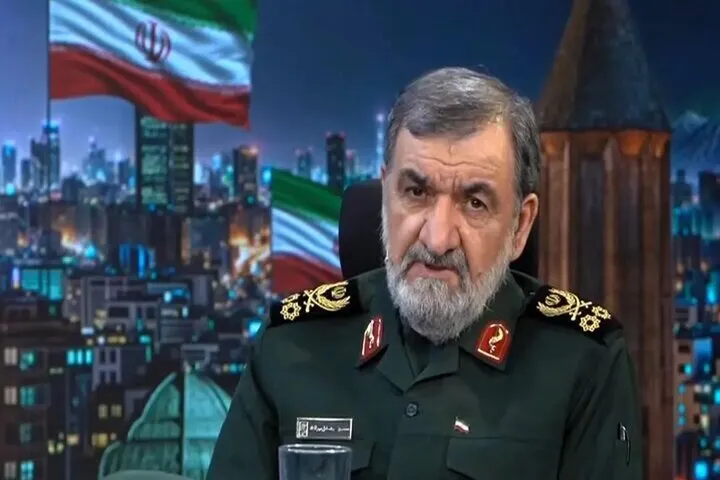
Major General Mohsen Rezaei, a former commander-in-chief of the Islamic Revolutionary Guards Corps (IRGC) during the 1980–1988 Sacred Defense, said U.S. President Donald Trump had torn up the Islamabad MoU just as he had abandoned the Joint Comprehensive Plan of Action (JCPOA).
Rezaei said Washington had never intended to implement the memorandum and had instead sought to pressure Iran into accepting its demands.
He added that the United States had refrained from using the dispute settlement mechanism established with the participation of Pakistani Prime Minister Shehbaz Sharif and the Emir of Qatar because it knew it would be held responsible for violating the agreement.
He said the United States had instead pursued a policy of “both war and negotiation.”
Rezaei also accused the enemy of launching new operations by bombing Iran’s Khuzestan, Bushehr, Hormozgan, and Sistan and Baluchestan provinces, targeting military barracks, hospitals and bridges linking the country’s northern and southern regions.
He said Iran’s Armed Forces had responded with successive and heavy attacks, adding that the operations would continue.
The former IRGC commander said Iran had not previously sought to expand the conflict or launch an invasion. During the 12-day war that began on June 13, he said, the Iranian Armed Forces had sought to prevent the conflict from spreading across the region and had refrained from attacking U.S. bases in Kuwait and other countries.
However, he added that Iran had warned that any renewed conflict would develop into a regional war, a scenario he said had materialized after the enemy resumed hostilities.
Addressing the strategic importance of the Strait of Hormuz, Rezaei said the United States was seeking a role in managing the strategic waterway, which he described as a global energy chokepoint, in an effort to influence oil and gasoline prices.
He said Iran, Russia, China and European countries opposed such a move, warning that it could contribute to the spread of a global conflict from the Persian Gulf.
Rezaei reiterated that the policy of “both war and negotiation” had ended, warning that if the United States continued the war over the next two to three days, Iran would enter what he described as an “aggressive and destructive phase” and would no longer limit its response to retaliation.
Under such circumstances, he warned, U.S. forces and bases would no longer be safe anywhere, regardless of political borders.