Araghchi: Hezbollah “cannot be lliminated” and Iran–lebanon wars remain interlinked
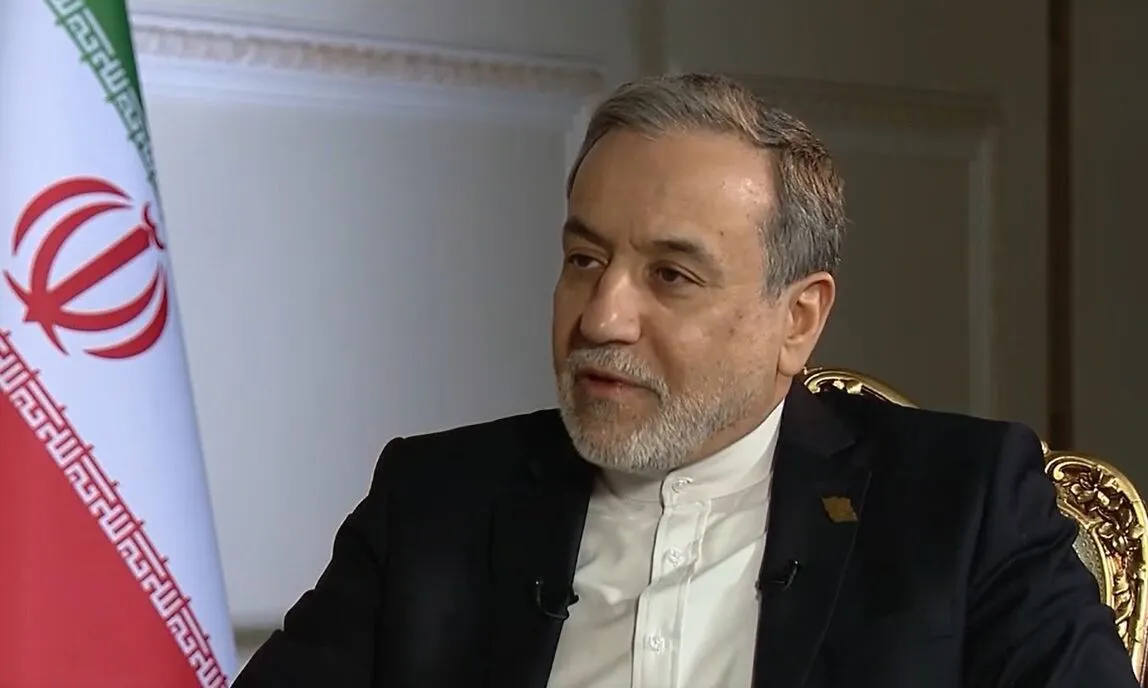
In an interview with Lebanon’s Al Mayadeen network, Iranian Foreign Minister Abbas Araghchi said Hezbollah remains a foundational component of Lebanon’s political and social fabric, arguing that attempts to weaken or eliminate the group have failed.
Araghchi stated that the wars involving Iran and Lebanon are interconnected due to what he described as Israeli military aggression across multiple fronts, adding that any cessation of hostilities must apply simultaneously to both countries.
“We have consistently said from the beginning that the war must end in Iran and across all resistance fronts, including Lebanon,” he said, adding that either the conflict ends in both countries or it ends in neither.
He rejected claims that Iran seeks to interfere in Lebanon’s internal affairs, describing Lebanon as a friendly and allied nation, while maintaining that the regional wars have become linked through external military escalation.
On deterrence, Araghchi argued that the “resistance axis” played a decisive role in preventing a potential Israeli strike on Beirut’s southern suburbs, stating that warnings issued by Iran’s military institutions and diplomatic channels contributed to preventing escalation.
He said Tehran had communicated directly with US and regional officials, warning that any large-scale attack on Beirut would trigger a response and potentially collapse existing ceasefire arrangements. According to him, indirect exchanges between Tehran and Washington remain ongoing despite tensions.
Araghchi also said the recent conflict demonstrated Iran’s military resilience, claiming that US and Israeli strategic assumptions of a quick victory proved incorrect, and that the outcome ultimately pushed Washington toward negotiations rather than achieving its stated objectives.
While emphasizing Iran’s preparedness for a prolonged confrontation, he stressed that Tehran does not seek war and prefers a negotiated settlement based on “dignity, equality, and mutual respect,” warning that any future aggression would be met with a firm response.
Reiterating Iran’s position on Lebanon, Araghchi said Hezbollah cannot be eliminated or ignored, describing it as a major component of Lebanon’s identity. He also underscored that Lebanon’s internal issues should be resolved through domestic dialogue without external interference.
He further stated that the martyrdom of Hezbollah’s leadership figures, including Sayyed Hassan Nasrallah, had ultimately strengthened the movement rather than weakened it, arguing that resistance movements are driven by principles rather than individuals.
Araghchi also said Iran would pursue accountability for what it described as the assassination of Nasrallah, calling it a violation of international norms, and praised Hezbollah’s current leadership under Sheikh Naim Qassem, saying the group has continued to operate with cohesion and strength despite leadership losses.