Why the Planned Attack on Beirut Never Happened
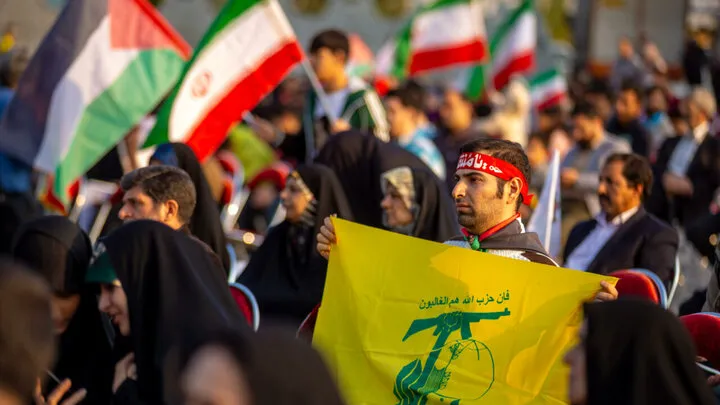
Recent developments in the Middle East have highlighted once again the role of deterrence dynamics in shaping regional decision-making. According to the account, a potential large-scale strike on Beirut’s southern suburbs (Dahieh) by Israel was reportedly called off following a series of diplomatic and political developments.
In the hours leading up to the incident, Israeli media reports and evacuation warnings for parts of southern Beirut suggested that preparations for a major military operation were underway, raising expectations of a renewed escalation in Lebanon.
However, the situation shifted abruptly after reports of high-level communication between U.S. President Donald Trump and Israeli Prime Minister Benjamin Netanyahu, followed by announcements indicating that the planned operation had been suspended. This prompted questions about what factors led to the rapid change in decision-making.
The narrative attributes the reversal in part to clear warnings reportedly issued by Iran, which emphasized that any escalation involving Lebanon could widen the scope of confrontation and carry significant consequences. These messages, according to the account, contributed to recalculations regarding the potential costs of military action.
The analysis further argues that regional actors such as the United States and Israel often operate on strategic cost-benefit assessments, advancing or halting military actions based on anticipated risks, deterrence levels, and possible retaliation, rather than purely diplomatic or legal considerations.
It also places the episode within a broader regional context, suggesting that shifts in deterrence capabilities across West Asia have historically influenced the intensity and frequency of military confrontations in countries including Lebanon, Gaza, Syria, and Iraq.
From this perspective, the reported halt of the operation is interpreted not as a purely diplomatic outcome, but as the result of reassessments regarding potential escalation risks and broader regional consequences.
The account also references the domestic political dimensions in Israel and strategic doctrines in U.S. foreign policy, arguing that security decisions are often intertwined with internal political considerations and broader regional strategy.
In conclusion, the analysis suggests that the incident underscores the central role of deterrence in the region, arguing that military escalation is more likely to be prevented when opposing actors perceive the costs of action to outweigh potential gains, thereby shaping strategic restraint in high-tension scenarios.