Baghaei: US Cannot Coerce Iran as Maritime Tensions Deepen
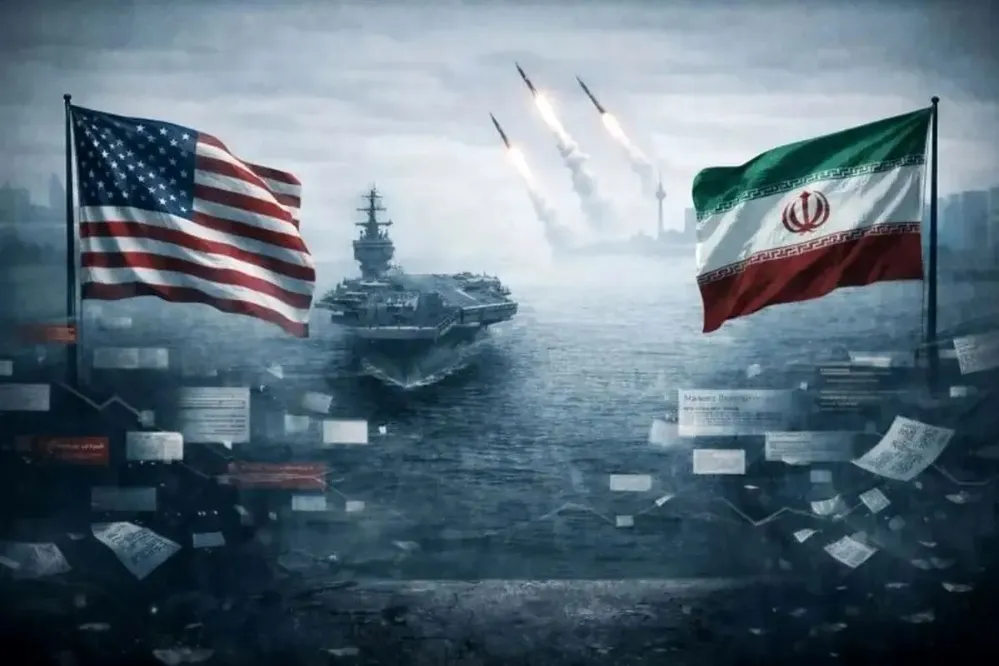
Speaking during his weekly press briefing on Monday, Iranian Foreign Ministry spokesman Esmaeil Baghaei strongly criticized US President Donald Trump’s rhetoric and policies, particularly a reported initiative dubbed “Project Freedom” aimed at facilitating the passage of vessels through the strategic Strait of Hormuz.
Baghaei stated that the United States has come to realize it cannot engage with Iran using coercion or threats, emphasizing that such approaches have repeatedly failed. He also referenced earlier remarks by the commander of Iran’s Khatam al-Anbia Central Headquarters, arguing that the international community does not accept Washington’s humanitarian justifications and views US actions as contributing to a “self-created quagmire.”
The spokesman stressed that Iran considers itself responsible for maintaining security in the Strait of Hormuz, noting that the waterway had remained safe for maritime traffic prior to February 28. He accused the United States of destabilizing the route and called on the international community to hold Washington accountable for rising insecurity.
According to Baghaei, maritime operators are aware that safe navigation in the strait requires coordination with Iranian authorities. He also urged other countries, including France, not to take steps that could further complicate the already tense situation.
He added that Iran’s actions are consistent with international law and are intended to protect national interests from external threats. Countries genuinely seeking stability, he said, should work to prevent further escalation driven by US actions, which he accused of turning international waters unsafe.
Addressing regional diplomacy, Baghaei said recent visits by Iranian Foreign Minister Abbas Araghchi to Pakistan, Russia, and Oman were aimed at enhancing coordination, particularly with Oman as a fellow littoral state, to ensure secure maritime passage through the strait. He reiterated that current disruptions stem from US actions.
The remarks come after President Donald Trump announced that the United States would begin assisting vessels stranded in the Strait of Hormuz starting Monday, as part of a campaign referred to as “Project Freedom.” Trump said the move was in response to requests from countries whose ships were affected, describing them as neutral parties.
US Central Command also confirmed plans to support commercial vessels seeking to transit the waterway freely.
Tensions in the region escalated following a conflict that began on February 28, when the United States and Israel launched military operations against Iran. The confrontation led to significant casualties, including senior Iranian figures, and triggered a prolonged exchange of missile and drone attacks between the sides.
In response, Iran imposed restrictions on maritime traffic through the Strait of Hormuz, including requiring vessels to obtain authorization from Iranian authorities. These measures followed what Tehran described as continued US efforts to impose an unlawful blockade on Iranian shipping and ports.
Baghaei also addressed ongoing diplomatic exchanges, noting that Iran has received a US response to its proposed 14-point plan through Pakistan, which is acting as a mediator. He said the proposal is currently under review by Iranian officials.
He further criticized what he described as Washington’s tendency to make excessive demands, adding that many claims regarding Iran’s nuclear program circulating in the media are speculative.
Concluding his remarks, Baghaei reiterated his call for the international community to hold the United States responsible for the current instability in the Strait of Hormuz.