Hormuz Tensions Reshape Global Energy Dynamics as Europe Reassesses Strategy
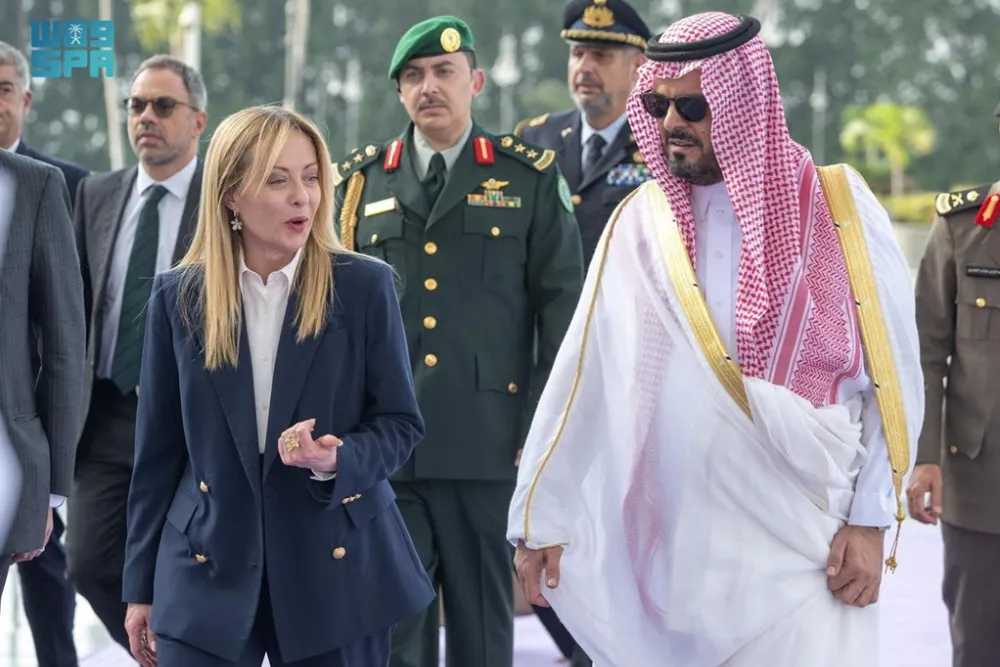
Meloni’s trip to Saudi Arabia, Qatar, and the United Arab Emirates comes amid heightened instability in the Middle East, where ongoing military tensions have disrupted the regional balance and impacted global energy flows. The situation in the Strait of Hormuz, a critical oil transit route, has become central to these developments, reflecting broader geopolitical rivalries and security concerns.
Amid these shifts, Iran has emerged as a key actor in the evolving landscape, asserting its role in the waterway and influencing the trajectory of regional energy security. These developments have contributed to a gradual transformation in the balance of power, with geopolitical considerations playing an increasingly decisive role in global energy markets.
At the same time, European countries are grappling with the consequences of long-standing reliance on external partners for energy and security. The current crisis has exposed structural vulnerabilities, prompting calls for greater strategic autonomy and a reassessment of policy frameworks to reduce dependence and enhance resilience.
Gulf Arab states remain vital energy suppliers to Europe, but their role is increasingly viewed through a broader geopolitical lens. Analysts suggest that closer alignment with regional stability efforts will be essential for ensuring secure and sustainable energy flows, particularly as tensions continue to affect key transit routes.
Recent developments indicate that the Strait of Hormuz is entering a new phase, with lasting implications for global energy security. For energy-dependent economies, adapting to these changes and prioritizing diplomatic engagement and regional stability is seen as critical to maintaining reliable supplies in an increasingly complex environment.