Iran–US Talks Face Early Hurdles Amid Maximalist Conditions from Israel
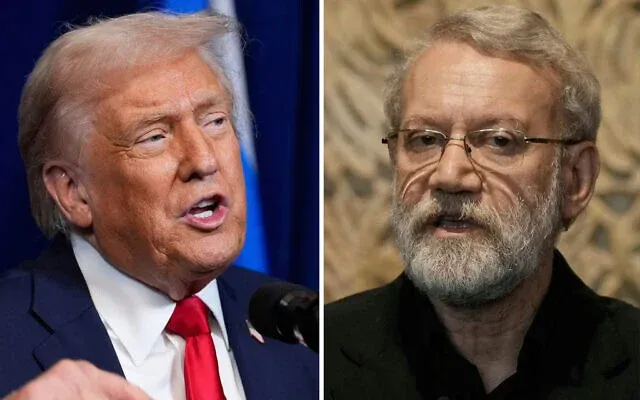
Reports circulating in Israeli media about possible terms for a nuclear deal with Iran—coinciding with discussions of reopening dialogue with Washington—amount to psychological preconditioning. These demands, including a complete halt to uranium enrichment, facility closures, missile restrictions, and severing Iran’s support for regional allies, would effectively sabotage any negotiation before it starts.
Analysts view this as a coordinated tactic designed to paralyze talks, rather than a genuine divergence from U.S. policy. Israel appears aware that these demands are unattainable, yet their public circulation raises the political cost of diplomacy.
Historically, the United States has been heavily influenced by Israeli positions on Iran. From the Obama administration through Trump and Biden, any progress in talks has often been disrupted by Tel Aviv’s interventions or indirect security pressures.
Trump’s abrupt withdrawal before the sixth round of negotiations—coinciding with the Gaza war—highlighted this pattern and reinforced Tehran’s skepticism toward American intentions. Iran largely perceives negotiations as a contest with a single coalition, viewing distinctions between Washington and Tel Aviv as largely symbolic. The U.S. response to Israel’s maximalist messaging will thus serve as a key indicator of its diplomatic independence and rationality.
On its part, Iran is balancing military readiness with active diplomacy. Tehran maintains high levels of preparedness while signaling that the door to negotiations remains open. The government emphasizes that talks should focus solely on securing nuclear rights and sanctions relief, and any attempt to divert negotiations to missile or regional issues will be met with a firm response. This dual approach—leveraging deterrence alongside cautious diplomacy—enables Iran to resist pressure without abandoning engagement.
The United States now faces a pivotal decision: whether to resist Israeli pressure and preserve diplomacy as a genuine avenue for de-escalation, or to yield to external narratives and perpetuate artificial conditions. Silence or acquiescence could reinforce the perception that U.S.
foreign policy remains entangled in the “maximum pressure” framework, undermining the credibility of diplomacy. For Tehran, this moment is a litmus test not only of American intentions but also of the broader Western ability to manage international crises. Failure, once again, risks reducing diplomacy to a disposable instrument in the eyes of global public opinion.