Scientists Develop ‘Lung-on-a-Chip’ to Stop Next Pandemic
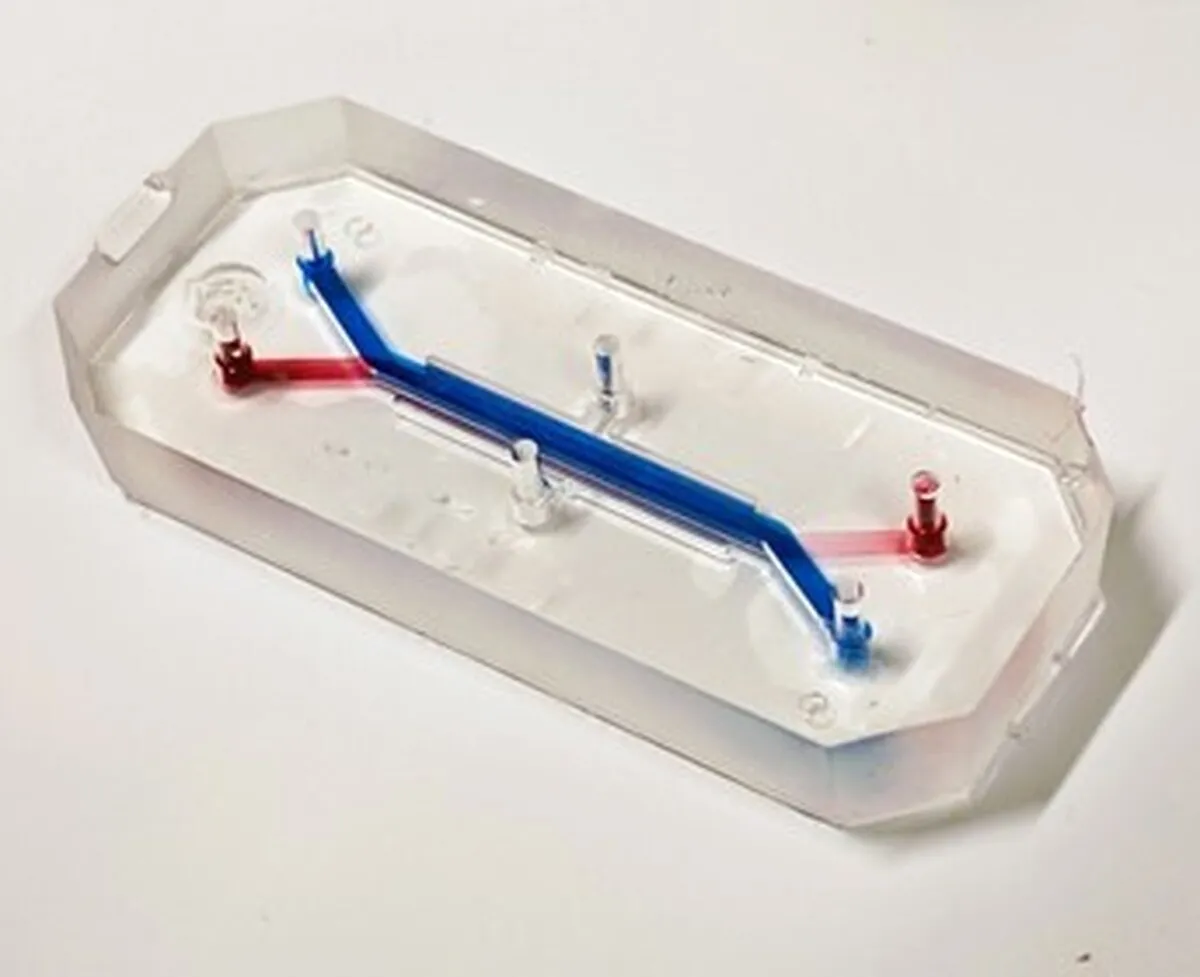
Respiratory illnesses like COVID-19 have triggered multiple global pandemics and continue to strain healthcare systems worldwide. These viruses can inflict serious harm on the lungs, particularly targeting two main areas: the upper airway (proximal region) and the tiny air sacs where gas exchange occurs (distal region, or alveoli), the journal Nature Biomedical Engineering reported.
Because each lung region reacts differently to infection, studying these effects accurately has been difficult. Traditional methods, including animal testing and basic lab-grown cell systems, often fall short of capturing the complexity of human lung responses.
To address this challenge, scientists at Kyoto University have created a micro physiological system (MPS) that closely mimics various regions of the human lungs. Their advanced device is designed to replicate both the airway and alveolar structures, allowing for in-depth study of how respiratory viruses affect each part. By combining this system with isogenic induced pluripotent stem cells (iPSCs), the researchers are paving the way for more precise, individualized treatment strategies for lung diseases.
“Our iPSC-derived lung chips enable us to model the distinct responses of proximal and distal lung regions, derived from an isogenic source to respiratory virus infections,” states the lead author Sachin Yadav, a PhD student at Kyoto University.
The team’s research provides a more accurate platform for studying tissue- and virus-specific disease mechanisms, as well as for evaluating drug effectiveness. Moreover, their approach holds significant promise for addressing future pandemics.
“The insights gained can be used to develop models of other human organs and multi-organ systems, facilitating the study of organ interactions,” notes team leader Ryuji Yokokawa.
“The ability to accurately replicate the variations in host responses to different viruses and lung regions can significantly enhance our understanding of emerging viruses and facilitate early drug screening,” says senior researcher Takeshi Noda.
“Integrating iPSCs into our MPS offers unparalleled advantages, with the cells providing benefits such as personalized medicine and isogenic models,” adds Shimpei Gotoh, another senior team member.
This chip system has potential applications beyond viral infections, and could be used to enhance personalized medicine by enabling the use of patient-specific iPSCs to study other conditions as well.
4155/v