Non-invasive neuromodulation offers new hope for brain injury rehabilitation
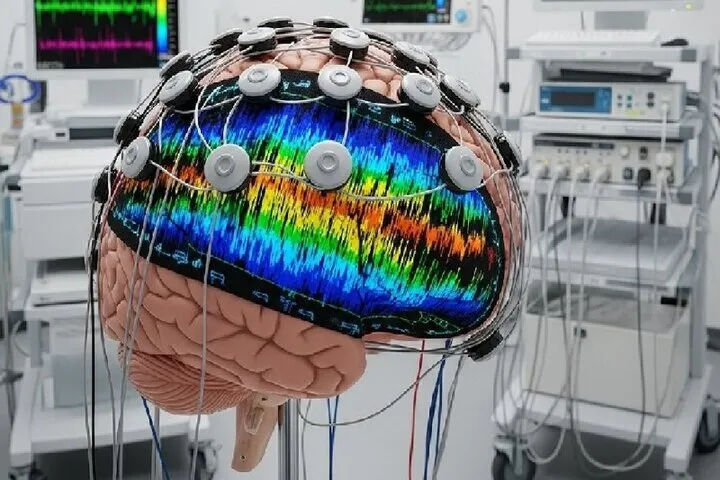
Non-invasive neuromodulation is an emerging neuroscience approach that uses controlled electrical or magnetic stimulation to regulate the activity of brain cells and neural networks without surgery. It may help patients who have completed initial medical or surgical treatment but continue to experience neurological impairments that affect their daily lives, work and social interactions.
The approach is based on neuroplasticity, the brain’s ability to reorganize neural connections and recruit healthy areas to compensate for damaged regions. Researchers believe neuromodulation can activate this capacity and help restore some impaired functions following stroke, brain tumors, traumatic injuries and other neurological conditions.
Unlike physiotherapy, which primarily focuses on improving coordination between the nervous system and muscles, neuromodulation directly targets neural networks to support their reorganization and recovery.
Although the technology is already being used clinically in Iran and is the subject of extensive international research, its effectiveness varies depending on the condition and patient. Evidence supports its use in certain neurological disorders, some forms of depression, seizure disorders and stroke, but further research is needed to establish its role in other conditions, including multiple sclerosis.
Dr. Soheil Naderi, a neurosurgeon and executive secretary of Iran’s first National Symposium on Non-invasive Neuromodulation, stressed the need for clear clinical guidelines to prevent both underuse and inappropriate application of the technology. He said treatment should be based on scientific evidence, proper patient selection and specialized medical expertise.
Each session is estimated to cost between 2 million and 3 million tomans, with some patients requiring up to 30 sessions, depending on their condition. Naderi called for the Ministry of Health to establish approved clinical protocols and for insurance providers to expand coverage of evidence-based treatments.
The first National Symposium on Non-invasive Neuromodulation will be held on December 3, 2026, featuring six specialized panels, 20 presentations, six scientific discussions and parallel workshops, aiming to familiarize medical professionals and health authorities with the technology’s scientific foundations, applications and limitations.