Nanocatalyst enhances destruction of cancer cells
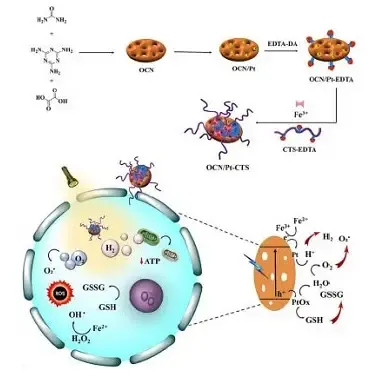
Researchers at the University of Tehran have developed a light-activated smart nanocatalyst that offers a novel approach to enhancing the destruction of skin cancer cells. The method operates by simultaneously generating reactive oxygen species and hydrogen, disrupting the normal function of tumor cells.
The study is based on a nanostructured system composed of graphitic carbon nitride modified with platinum, chitosan, and iron ions.
According to the findings published in a peer-reviewed scientific journal on biological macromolecules, the engineered nanoparticles significantly increased the production of cancer-damaging radicals under light irradiation while simultaneously reducing ATP levels, thereby impairing the energy supply of tumor cells.
Experimental results demonstrated that the nanocomposite exhibited strong performance against melanoma (skin cancer) cells, showing significantly higher destructive effects under visible light compared to dark conditions. The inclusion of a chitosan coating improved both the biocompatibility and structural stability of the system.
The study also utilized a photo-Fenton reaction to enhance the generation of reactive oxygen species, leading to increased oxidative stress and ultimately cancer cell death. In addition, hydrogen production within the system disrupted mitochondrial function and further reduced energy production in tumor cells.
This development may open new pathways for light-based and nanotechnology-driven cancer therapies, offering more precise targeting of diseased cells while minimizing damage to healthy tissues.