Iran Approves 2 New Nano Standards
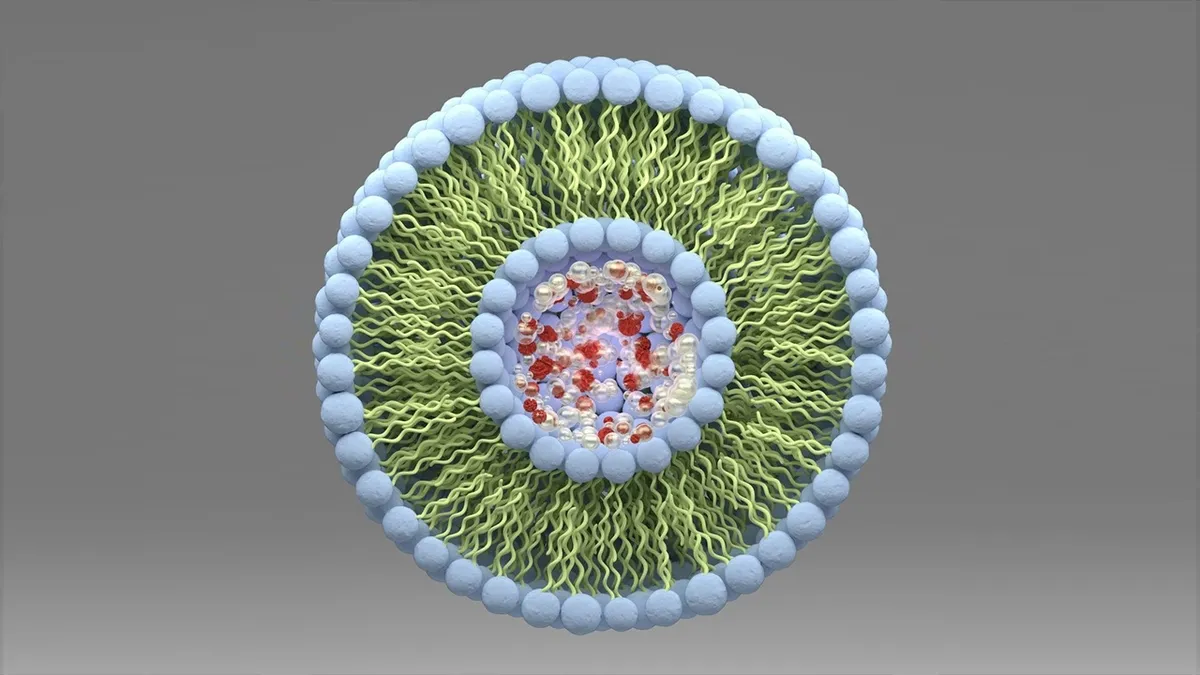
The first national standard is ‘Nanotechnology - Glossary – Nanoliposomes’ which was developed with the aim of standardization of specialized terminology and facilitatation of communication between researchers, industrialists, and regulatory bodies.
Nanoliposomes are among the most important nanostructures used in targeted drug delivery, biomedical, and cosmetic products.
The second national standard is ‘Nanotechnology - Phototoxicity Measurement of Nanoparticles’ which provides a method for examining the effect of light on the health of cells in contact with nanoparticles. In this test, nanoparticles are exposed to ultraviolet light to measure their effect on cell viability.
The purpose of this standard is to assess the safety of nanoparticles in applications where materials may be exposed to light. This method can be used for all types of nanoparticles.
In a relevant development in 2024, the Iran Nanotechnology Innovation Council (INIC) had also announced that two new standards were approved in the field of nanobubbles, increasing the number of national standards to 167.
According to the INIC, the first standard was related to the ‘microbubble technology - characterization of microbubbles – assessment of size and concentration indicators by laser diffraction method’.
Microbubble technology is used in various industries like cleaning, transportation, maintenance, agriculture, aquaculture, food and beverage, cosmetics and health care, and biomedicine. This list is expected to expand and become even more common as microbubble technology develops. Now, methods for assessing microbubble characteristics like size and concentration indices are becoming necessary to clarify the performance of microbubble generating systems used for various applications. The purpose of developing this standard is to determine the evaluation method of the size and concentration indices of small bubbles, which is applied to the combined use of number-based size analysis and volume-based size analysis with laser diffraction method, the INIC explained.
The second standard was related to ‘fine bubble technology - cleaning applications - cleaning hard flooring surfaces - test method’, and the purpose of developing this standard is to determine a test method for cleaning hard flooring surfaces. This test method can be used to show a comparison of the cleaning performance of a fine bubble solution with an alternative cleaning solution for removing contaminants from a contaminated surface. This solution can be a substitute cleaner for another fine bubble solution, municipal tap water, or a commercially available cleaning solution with composition features specified by the manufacturer, the INIC added.
4155/v