Innovative Iran-Made Faucets Decrease Water Consumption Up to 70 Percent
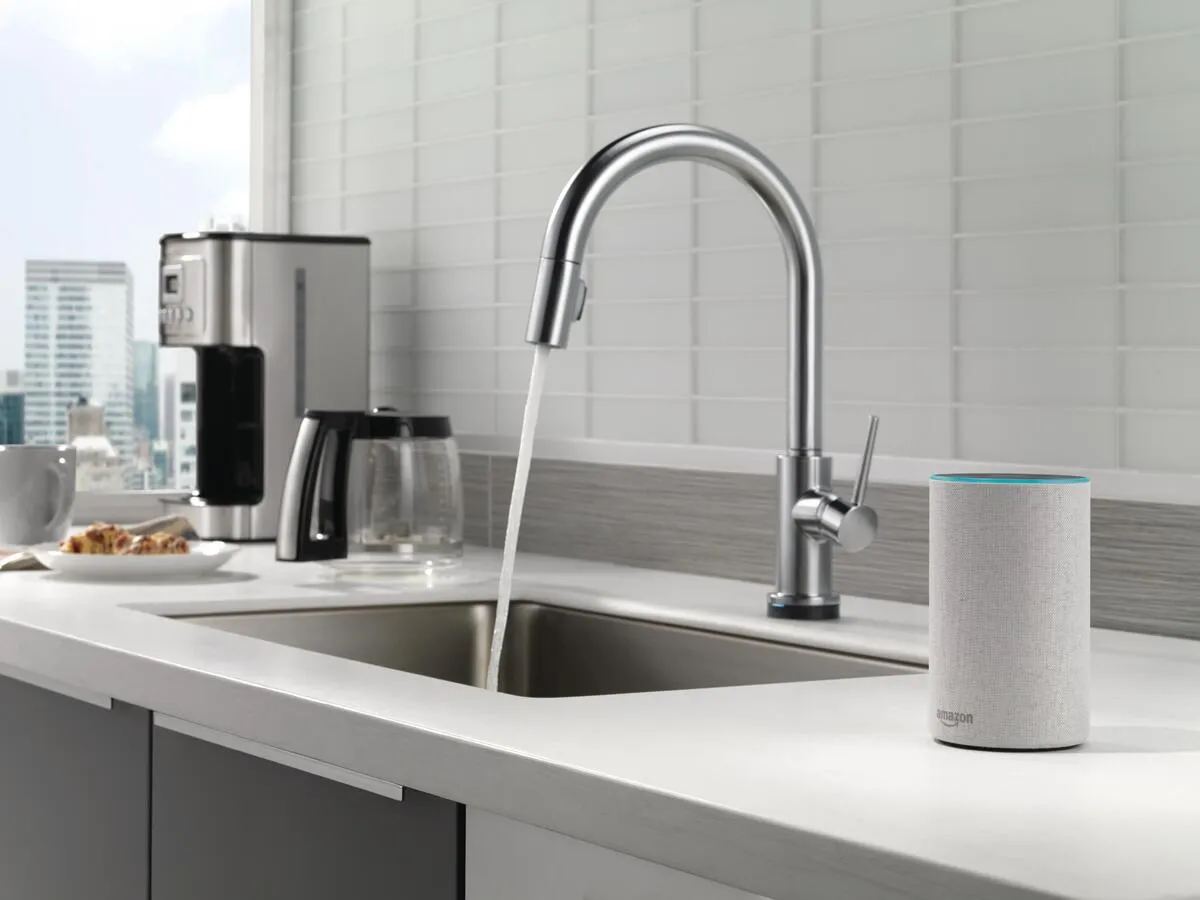
“After analyzing the market, we moved towards smart faucets. In the early stages, sensor-based faucet boards were produced and we entered the market; then, with the increase in the price of raw materials, we turned to classic lever faucets to maintain competitiveness,” Sadeq Shirzadfard, the managing director of the company stationed at the Islamic Azad University’s Shiraz branch, told ANA.
“The company's current product portfolio includes lever faucets in various models and colors, and smart products like sensor-based faucets produced by a new material based on nanotechnology that replaces brass and has advantages like anti-sedimentation, anti-stain, unlimited color variety, and lower price,” he added.
‘The company's smart products reduce water consumption by up to 70% and help with the water shortage crisis,” Shirzadfard said.
In a relevant development in 2023, a member of the board of directors of an Iranian knowledge-based firm had also announced production of special valves, faucets and parts in the company for different industries which can also decrease water consumption in residential buildings up to 50%.
“Office and household consumptions make up to 10% of the total consumption of purified and expensive water, but by making faucets that reduce water consumption and other customized parts that enjoy higher industrial strength, it is possible to save water,” Abbas Ali Moradi, a member of the board of directors of the knowledge-based ‘Pishgam Daqiqsazan Andisheh Maroun’ company, told ANA.
“Customers of our products are mostly from steel, copper and petrochemical companies and they use them in the workplaces. At present, steel, copper and petrochemical companies are under pressure in terms of water consumption since they are among the most water-consuming firms and this challenge has made them find ways to reduce water consumption,” he added.
“The company's product can work for more than five years even in a harsh industrial environment, and it is also used in construction industries and can reduce water consumption in residential buildings up to 50%,” Moradi said.
4155/v