Studying in Iran: A Comprehensive Guide for International Students
Introduction:
This guide aims to provide a comprehensive overview for prospective international students considering Iran as their academic home, delving into why it is an increasingly attractive option and how to navigate the path to studying in the country’s academic centers.
The allure of Iran extends far beyond its ancient ruins and artistic masterpieces. In recent decades, the country has made significant investments in its educational infrastructure, fostering a robust network of universities and research institutions that are increasingly attracting global attention. These institutions are not only producing groundbreaking research across various disciplines but are also committed to providing accessible and high-quality education to students from all corners of the globe. This guide will meticulously unpack the various facets of studying in Iran, from the academic landscape and the application process to the practicalities of daily life and the invaluable support systems available to international students. Our aim is to equip you with the knowledge and confidence needed to embark on this unique and rewarding academic journey.
2. The Allure of Iranian Universities
Iran's higher education system is characterized by its commitment to quality, affordability, and a growing international outlook. The country is home to numerous reputable universities, many of which are recognized globally for their contributions to science, technology, and the humanities. The synergy between its rich cultural heritage and its forward-looking academic ambitions makes Iran a compelling choice for students seeking an education that is both intellectually stimulating and culturally enriching.
Academic Excellence and Renowned Institutions
Iranian universities consistently rank well, particularly in scientific research and technological innovation. These institutions are not mere repositories of knowledge but vibrant hubs of research and development, attracting both domestic and international scholars. The academic environment is rigorous, with a strong emphasis on critical thinking, problem-solving, and scientific inquiry.
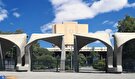
University of Tehran: Established in 1934, the University of Tehran is the oldest and one of the most comprehensive public universities in Iran. It boasts a vast array of faculties, covering almost every field of study imaginable, from engineering and natural sciences to humanities and law. Its extensive research facilities and experienced faculty make it a premier destination for both undergraduate and postgraduate studies.
Sharif University of Technology: Founded in 1965, Sharif University of Technology is widely recognized as Iran's leading institution for engineering and physical sciences. It is renowned for its rigorous academic programs, state-of-the-art research laboratories, and strong ties with the industrial sector. Many of its graduates go on to hold prominent positions in national and international technology companies. Programs in Computer Engineering, Electrical Engineering, Mechanical Engineering, and Chemical Engineering are particularly distinguished.
Amirkabir University of Technology (Tehran Polytechnic): Established in 1958, Amirkabir University of Technology is another top-tier institution focused on engineering and technology. It is known for its advanced research in areas such as nanotechnology, robotics, and petroleum engineering. The university has a strong emphasis on practical application and innovation, fostering a culture of entrepreneurship among its students.
Allameh Tabataba'i University: This university, established in 1987 (though its roots go back further), is the largest and most prominent public university in Iran dedicated to humanities and social sciences. It offers a wide range of programs in fields like Persian Literature, History, Philosophy, Political Science, International Relations, Sociology, Economics, Law, and Psychology. It is an ideal choice for students interested in understanding the complexities of Iranian society, culture, and politics.
Islamic Azad University: This is a unique and vast network of private universities with numerous campuses spread across Iran. It offers a broad spectrum of academic programs at all levels and is known for its accessibility and relatively lower tuition fees compared to some public universities. While its quality can vary across campuses, many of its branches offer competitive programs, especially in fields like engineering, management, and humanities.
Other Notable Institutions: Beyond these, numerous other universities offer excellent programs. The University of Isfahan is strong in sciences and humanities, the Shiraz University is noted for its agricultural sciences and medicine, and the Tabriz University of Medical Sciences is a leading center for health sciences in the northwestern region.
Many postgraduate programs, especially in scientific and technical fields, are conducted entirely in English, making them directly accessible to international students. This bilingual academic offering is a testament to Iran's commitment to globalizing its higher education sector.
Unmatched Affordability
One of the most significant draws for international students is the exceptional affordability of education in Iran. This economic advantage allows students to focus on their studies without the overwhelming financial stress often associated with international education in developed countries.
Tuition Fees: Tuition fees at public universities are considerably lower than in many western countries. For undergraduate programs, fees can range from approximately $500 to $2,500 USD per academic year, depending on the university and program. Postgraduate studies, including Master's and PhD programs, are similarly affordable, often falling within a comparable range, sometimes slightly higher for specialized fields. Even private universities and the Islamic Azad University, while having higher fees than public institutions, remain highly competitive and offer significant value for money. These fees are typically charged per credit or per academic year.
Cost of Living: Beyond tuition, the cost of living in Iran is remarkably low. This includes expenses for accommodation, food, transportation, utilities, and daily necessities.
Accommodation: University dormitories are the most economical option, often costing between $50 to $150 USD per month, depending on the room's size and amenities. Off-campus apartments in student-friendly areas can range from $150 to $400 USD per month for a modest one-bedroom unit, a fraction of costs in Western cities.
Food: Groceries and dining out are very affordable. A student can comfortably manage food expenses for under $100 to $150 USD per month by cooking at home and eating at local eateries.
Transportation: Public transportation, including buses and subways in major cities, is very cheap. A monthly transit pass typically costs around $10 to $20 USD. Taxis are also relatively inexpensive for shorter distances.
Daily Expenses: Personal care items, entertainment, and other daily expenses are also significantly lower than in many western nations.
This affordability means that the overall cost of obtaining a degree in Iran can be a fraction of what it would be elsewhere, allowing students to save money or allocate their resources towards academic enrichment and personal development.
Diverse Fields of Study
Iran offers a broad spectrum of academic disciplines, catering to a wide range of interests and career aspirations. The country's unique historical and cultural context, combined with its growing technological prowess, creates a rich academic landscape.
Engineering: Iran excels in various engineering disciplines. Universities like Sharif and Amirkabir are particularly strong, boasting advanced research facilities and industry ties.
Chemical Engineering: Strong focus on petrochemicals, pharmaceuticals, and environmental applications.
Civil Engineering: Infrastructure development, structural engineering, and transportation engineering.
Mechanical Engineering: Thermal sciences, automotive engineering, and energy systems.
Electrical Engineering: Power systems, electronics, telecommunications, and control systems.
Computer Engineering: Software development, artificial intelligence, and computer architecture.
Aerospace Engineering: Aeronautical engineering and space technology.
Medicine and Health Sciences: Iranian medical faculties are well-regarded, offering programs in:
Medicine (MD): Rigorous theoretical and clinical training.
Dentistry (DDS): Comprehensive dental education.
Pharmacy (PharmD): Focus on drug development, dispensing, and patient care.
Nursing: Training for healthcare professionals.
Various Allied Health Sciences: Including physiotherapy, medical laboratory sciences, radiology, and public health. Hospitals affiliated with universities often serve as major teaching and research centers, providing extensive clinical exposure.
Humanities and Social Sciences: Iran has a rich tradition in these fields, with strong programs in:
Persian Literature and Linguistics: Deep dives into classical and modern Persian poetry, prose, and linguistic analysis.
History: Iranian history, world history, and archaeology.
Philosophy and Theology: Islamic philosophy, Western philosophy, and comparative religion.
Political Science and International Relations: Examining domestic and global political systems.
Sociology: Social structures, cultural dynamics, and demographic studies.
Economics: Microeconomics, macroeconomics, econometrics, and development economics. Allameh Tabataba'i University is a prominent institution for these disciplines.
Islamic Studies and Theology: Given Iran's cultural and religious heritage, universities offer extensive programs in:
Islamic Jurisprudence (Fiqh): Study of Islamic law.
Quranic Studies and Tafsir: Interpretation and exegesis of the Holy Quran.
Hadith Studies: The study of sayings and traditions of Prophet Muhammad.
Comparative Religion: Examining different religious traditions.
Islamic Philosophy: Exploring philosophical thought within Islam.
Art and Architecture: Iran's unique artistic heritage is reflected in its academic offerings:
Visual Arts: Painting, sculpture, photography, and printmaking.
Graphic Design: Digital media, branding, and visual communication.
Architecture and Urban Planning: Design of buildings and cities, with a strong emphasis on sustainable and contextually appropriate solutions.
Traditional Arts: Calligraphy, miniature painting, carpet design, and ceramics.
Emerging Fields: Universities are actively expanding their offerings to keep pace with global academic trends. This includes programs in:
Environmental Science and Management: Addressing ecological challenges.
Nanotechnology: Research and application in materials science and medicine.
Artificial Intelligence and Data Science: Advanced computing and analytical techniques.
Business and Management: International business, marketing, and organizational behavior.
Biotechnology and Genetic Engineering: Advancements in life sciences.
Unique Cultural and Historical Immersion
Studying in Iran provides an unparalleled opportunity to immerse oneself in one of the world's oldest and most influential civilizations. This is not merely an academic pursuit but a journey of profound personal discovery and cultural understanding.
Historical Significance: Iran boasts a history that spans over 7,000 years, with countless UNESCO World Heritage sites. Students can explore:
Persepolis: The ceremonial capital of the Achaemenid Empire, a breathtaking archaeological site.
Isfahan: Home to the magnificent Imam Square (Naqsh-e Jahan Square), a UNESCO World Heritage site, featuring stunning mosques, palaces, and bazaars.
Shiraz: The city of poets, famously associated with Hafez and Sa'adi, and the location of the Pasargadae, the tomb of Cyrus the Great.
Yazd: A desert city with unique windcatchers, ancient Zoroastrian fire temples, and a distinctive architectural style.
Bam: The ancient mud-brick citadel, a testament to ancient desert architecture.
Rich Artistic and Literary Heritage: Iran has a profound legacy in poetry, philosophy, and visual arts. Students can delve into the works of Rumi, Hafez, Sa'adi, and Ferdowsi, and appreciate the intricate beauty of Persian miniature paintings, carpets, calligraphy, and tilework. Universities often host cultural events, exhibitions, and lectures that provide deeper insights into these traditions.
Experiencing Persian Hospitality: Iranians are renowned worldwide for their warmth, generosity, and hospitality. Students often find themselves invited to families’ homes for meals, celebrations, and discussions, offering genuine and intimate insights into Iranian life, customs, and values. This personal connection is a cornerstone of the Iranian student experience.
Vibrant Society: Beyond its historical monuments, Iran is a modern and dynamic society. Students can experience the bustling bazaars, enjoy delicious and diverse cuisine, engage with contemporary Iranian art and music, and witness the country's evolving social landscape. This immersive experience goes far beyond textbooks, offering a profound understanding of a vibrant civilization and its people.
3. Navigating the Admission Process
The pathway to studying in Iran involves several key steps, and understanding these can streamline the application process. While it requires careful attention to detail, the process is generally manageable with proper planning and information.
University Application Procedures
International students typically apply directly to the universities of their choice. Each university will have its own specific application portal and requirements, but the general process includes the following elements:
Online Application Forms: Prospective students will need to fill out detailed application forms available on the official websites of the universities they wish to apply to. These forms typically require personal information, academic history, and program choices.
Academic Transcripts and Diplomas:
Undergraduate Applicants: A certified copy of your high school diploma and academic transcripts (showing grades for the final years of secondary education) are required.
Postgraduate Applicants (Master's): A certified copy of your Bachelor's degree certificate and academic transcripts are needed.
Postgraduate Applicants (PhD): A certified copy of your Master's degree certificate and academic transcripts are required.
Translation and Attestation: These documents usually need to be translated into Persian or English by a certified translator. Depending on the university and country of origin, they may also need to be attested by relevant governmental bodies (e.g., Ministry of Education, Ministry of Foreign Affairs, and the Iranian embassy in your home country). Some universities may accept translations done by their own certified translators upon arrival.
Curriculum Vitae (CV)/Resume: A comprehensive CV outlining your academic achievements, any relevant work experience, research publications, skills, and extracurricular activities is usually mandatory.
Letters of Recommendation: Typically, two to three letters of recommendation from academic professors or supervisors who can attest to your academic capabilities, potential, and suitability for the chosen program are required. Ensure these letters are professional and highlight your strengths relevant to your intended field of study.
Statement of Purpose (SOP) / Motivation Letter: This is a critical component of your application. You will need to clearly articulate your reasons for choosing the specific program and university in Iran, your academic and career aspirations, how your past experiences have prepared you for this study, and how studying in Iran aligns with your future goals. It's an opportunity to showcase your passion and vision.
Passport-Sized Photographs: You will need to provide recent passport-sized photographs that adhere to specific university guidelines, often including requirements for headscarf for women.
Portfolio (for Arts/Architecture): Applicants for programs in art, architecture, design, and related fields will typically be required to submit a portfolio showcasing their creative work, projects, and artistic skills. This may be submitted digitally or in a physical format as per university instructions.
Application Fees: Many universities charge a non-refundable application fee, which must be paid at the time of submission.
It is crucial to visit the international admissions section of each university's website for the most up-to-date and specific requirements. Deadlines can vary significantly, so planning well in advance is essential.
Language Requirements
The language of instruction in Iranian universities varies, with a growing number of programs offered in English. However, understanding the local language can significantly enhance your experience.
English-Taught Programs:
Many postgraduate programs, particularly in science, technology, engineering, and some social sciences, are conducted entirely in English. This makes them highly accessible to international students.
Proof of English Proficiency: For these programs, you may be required to submit standardized test scores such as IELTS (International English Language Testing System) or TOEFL (Test of English as a Foreign Language). The minimum required scores will vary by university and program. Some universities may accept other English proficiency certificates or conduct their own English language placement tests.
Even for English-taught programs, a basic understanding of Farsi can be incredibly beneficial for daily life.
Persian-Taught Programs:
The majority of undergraduate programs and many programs in humanities, arts, and social sciences are taught in Persian (Farsi).
Farsi Proficiency: For these programs, students are generally expected to demonstrate a sufficient level of Farsi proficiency. This is often assessed through a formal language test administered by the university or a recognized language institution.
Persian Language Courses: To address this, many Iranian universities offer intensive Persian language courses (sometimes called "Persian Language and Literature for Foreigners" or similar) prior to the commencement of academic terms or as part of the first semester. These courses are designed to bring students up to the required proficiency level for academic study and to facilitate their daily lives. Centers like the Tehran University Persian Language Academy (UTLCA) are prominent in this regard.
Even if you are enrolled in an English-taught program, taking some introductory Farsi classes can greatly enhance your cultural immersion and ability to navigate daily life in Iran.
Visa and Legal Formalities
Securing a student visa is a critical and often time-consuming step. The process requires patience and adherence to official procedures.
Admission Letter: The first and most crucial step is to receive an official admission letter from your chosen Iranian university. This letter serves as proof of acceptance and is a prerequisite for visa application.
Visa Application Initiation: Once you have your admission letter, the university’s international office will typically initiate the visa process on your behalf. They will guide you through the necessary steps, which often involve submitting your application details and passport information to the Iranian Ministry of Foreign Affairs for approval. This process can take several weeks.
Visa Reference Number: Upon successful processing, the Ministry of Foreign Affairs will issue a visa reference number or clearance code. This number is essential for your visa application.
Application at Embassy/Consulate: You will then need to apply for your student visa at the Iranian embassy or consulate located in your home country or country of residence. You will typically need to submit:
Your valid passport (with sufficient remaining validity, usually at least six months beyond your intended stay).
The official admission letter from the university.
The visa reference number.
Completed visa application forms.
Recent passport-sized photographs.
Proof of financial support (if required by the embassy).
Any other documents specified by the embassy or consulate.
Processing Time and Collection: Visa processing times can vary significantly depending on the embassy and country. It is advisable to start the visa application process as early as possible. Once approved, you will collect your passport with the affixed student visa.
On Arrival in Iran:
Registration: Upon arrival in Iran, you will typically need to register with the local police department (Amniat) and complete the final endorsement of your visa at the university's international office. This process involves providing documentation related to your entry and academic status.
Residency Permits: For longer stays, you may also need to apply for a residency permit through the relevant immigration authorities.
Important Note: Visa regulations can change. It is absolutely essential to consult the official website of the Iranian embassy or consulate in your country for the most current and accurate information regarding student visa requirements, application procedures, and required documents. The international office of your host university will also be a primary source of guidance.
The Role of University International Offices
Nearly all Iranian universities that admit international students have dedicated International Offices (also known as the Office for International Students Affairs or Global Programs Office). These offices are invaluable resources and serve as the central point of contact for all international students.
Pre-Arrival Support: They assist with the admission process, provide information on visa procedures, and offer guidance on accommodation and pre-departure preparations.
On-Arrival Assistance: Upon arrival, they help with registration, visa endorsement, and initial settling-in processes.
Academic Advising: They can provide information on academic policies, course registration, and academic support services.
Cultural and Social Integration: They often organize orientation programs, cultural events, and excursions to help international students adapt to life in Iran and understand local customs.
Visa and Immigration Support: They are key in facilitating visa renewals and other immigration-related formalities.
General Welfare: They act as a support system for students facing any personal, academic, or administrative challenges, connecting them with appropriate university services or resources.
It is highly recommended to maintain regular communication with your university's international office throughout your stay.
4. Living and Studying in Iran
Beyond the academic aspects, understanding life in Iran is key to a successful and enjoyable student experience. The country offers a blend of traditional values and modern influences, creating a unique and enriching environment for international students.
Student Life and Campus Environment
Iranian universities strive to provide a conducive learning environment that balances academic rigor with opportunities for personal growth and social interaction.
Academic Facilities: Campuses are typically well-equipped with modern facilities, including:
Libraries: Extensive collections of books, journals, and digital resources, often subscribing to international academic databases.
Laboratories: State-of-the-art laboratories for science, engineering, and medical disciplines, equipped for advanced research.
Computer Centers: Providing access to high-speed internet and specialized software.
Lecture Halls and Classrooms: Modern teaching spaces designed for effective learning.
Extracurricular Activities: Student life extends beyond academics. Universities encourage participation in various activities:
Student Organizations and Clubs: These cater to diverse interests, including sports (football, volleyball, basketball, martial arts), arts (music, drama, photography, painting), academic societies (engineering clubs, literature circles), cultural groups, and volunteer organizations. These clubs are excellent avenues for networking, skill development, and making friends with both Iranian and international students.
Sports Facilities: Universities often have sports complexes, gyms, swimming pools, and fields for various athletic activities.
Cultural Events: Regular events such as art exhibitions, music festivals, film screenings, and cultural celebrations are organized, providing opportunities to experience Iranian culture and showcase international diversity.
Community and Support: The campus environment fosters a sense of community. Senior students and university staff are often approachable and willing to assist newcomers. International students can find a supportive network among their peers and through university-organized mentorship programs.
Accommodation Options
Finding suitable and affordable accommodation is a key concern for international students. Iranian universities offer various options to meet different needs and budgets.
University Dormitories (Hostels):
Affordability: Dormitories are generally the most economical and popular choice for students. Monthly costs are typically very low, ranging from $50 to $150 USD, depending on the room occupancy (single, double, triple, or quadruple), amenities, and university.
Facilities: Dorms usually provide basic furnished rooms, shared bathrooms, common areas, and sometimes shared kitchens. Some universities offer separate dormitories for male and female students.
Convenience: They are often located on or adjacent to the university campus, offering easy access to academic facilities and services.
Off-Campus Housing:
Variety: For students seeking more privacy or independent living, off-campus housing options are available in areas surrounding universities. This can include renting apartments or rooms in shared houses.
Cost: Rent for a one-bedroom apartment can range from $150 to $400 USD per month, varying significantly by city (Tehran being the most expensive) and neighborhood. Sharing an apartment with other students can significantly reduce individual costs.
Finding Accommodation: Assistance from the university's international office or local student networks can be helpful in finding suitable off-campus housing. Real estate agents can also be used, though they may charge a commission.
Homestay Programs: In some cases, students might be able to arrange homestays with local families, offering a deeper cultural immersion and a more personalized living experience. This option is less common and depends on availability and university programs.
It is advisable to inquire about accommodation options with your host university's international office well in advance of your arrival, as dormitory spaces can be limited.
Exploring Iran
Iran is a vast country with incredible diversity in its landscapes, history, and culture. Students have ample opportunities to travel and explore during academic breaks and weekends.
Historical and Cultural Sites: Beyond the major sites mentioned earlier, consider visiting:
Tus: The resting place of Ferdowsi, the epic poet.
Chogha Zanbil: An ancient Elamite ziggurat.
Susa: An ancient capital of the Elamite, Achaemenid, and Sasanian empires.
Tabriz: Known for its historic Grand Bazaar, a UNESCO World Heritage site.
Qom: A major religious center with significant shrines.
Natural Landscapes: Iran offers stunning natural beauty:
The Zagros and Alborz Mountains: Offering opportunities for hiking and exploring diverse flora and fauna.
The Lut Desert (Dasht-e Lut): One of the hottest and driest places on Earth, with unique geological formations like Kaluts.
The Caspian Sea Coast: Lush green landscapes and coastal towns in the north.
Dizin and Shemshak: Ski resorts offering winter sports opportunities.
Travel Logistics:
Transportation: Intercity travel is well-facilitated by an extensive network of buses and trains, which are generally safe and affordable. Domestic flights are also available for longer distances.
Planning: It is advisable to plan trips in advance, especially for visiting remote areas. University international offices can often provide guidance on safe and reliable travel options.
Respect Local Customs: When traveling, always remain mindful of local customs and dress codes.
5. Challenges and Support Systems
While the benefits of studying in Iran are substantial, prospective students should also be aware of potential challenges and the robust support systems available to help them navigate these.
Potential Hurdles
Language Barrier: Even in English-taught programs, navigating daily life outside the university can be challenging if one is not fluent in Farsi. This can affect simple tasks like shopping, using public transport, or interacting with locals who do not speak English.
Mitigation: Actively participate in language courses offered by the university, practice Farsi with locals and fellow students, and utilize translation apps.
Cultural Differences: Adjusting to social norms, customs, and communication styles may require time and an open mind. Perceptions of personal space, directness in communication, and social hierarchies can differ significantly from what some students are accustomed to.
Mitigation: Be observant, ask questions respectfully, engage with local students and cultural orientation programs, and maintain a non-judgmental attitude.
Bureaucracy: Like in many countries, administrative processes for visas, registration, university enrollment, and other official matters can sometimes be complex, lengthy, and require multiple visits to different offices.
Mitigation: Keep all important documents organized, be patient, follow instructions carefully, and seek assistance from the university's international office or administrative staff.
Internet Access and Social Media: While improving, internet speeds in some areas might be slower than in other developed countries. Access to certain international social media platforms or websites may also be restricted or unreliable due to government regulations.
Support Networks
Iranian universities are increasingly aware of the needs of international students and have established various support systems to ensure a positive experience.
University International Offices: As detailed earlier, these offices are the primary hub for academic, administrative, and personal support. They are your first point of contact for almost any issue.
Student Mentorship Programs: Many universities pair new international students with senior Iranian or experienced international students. Mentors can offer invaluable practical advice on academic life, campus navigation, cultural integration, and daily living.
Cultural Orientation Programs: Universities often organize orientation sessions at the beginning of the academic year to introduce international students to Iranian culture, customs, academic expectations, and campus resources. These programs are crucial for a smooth transition.
Academic Support Services: Beyond faculty advisors, universities may offer academic tutoring, writing centers, and study skills workshops to help students succeed in their coursework.
Expatriate and Student Communities: Connecting with other international students from your country or region, as well as local Iranian students, can create a strong support network. These peer groups can share experiences, offer advice, and provide emotional support. Forming friendships with local students is particularly beneficial for cultural understanding and language practice.
Health Services: Universities typically have health centers or clinics on campus that provide basic medical services. International students are usually required to have health insurance, and the university can provide guidance on obtaining suitable coverage.
Counseling Services: For students experiencing stress, homesickness, or other emotional challenges, universities may offer counseling services, often provided by professionals who can communicate in English.
By actively engaging with these support systems and maintaining open communication with university staff and fellow students, international students can effectively overcome challenges and thrive in Iran.
6. Conclusion: An Enriching Academic Odyssey
Studying in Iran presents a compelling proposition for international students seeking high-quality education at an affordable cost, coupled with an unforgettable cultural immersion. The country's commitment to academic advancement, its rich heritage, and the renowned hospitality of its people create an environment ripe for learning, personal growth, and global understanding.
The academic landscape, anchored by prestigious institutions like the University of Tehran and Sharif University of Technology, offers diverse programs across a multitude of disciplines, many of which are conducted in English. The unparalleled affordability of both tuition and living expenses makes Iran an exceptionally attractive destination for students worldwide, allowing them to pursue their academic dreams without the crippling financial burden often associated with international study.
Beyond the classroom, the opportunity to immerse oneself in one of the world's oldest and most vibrant civilizations is a profound benefit. From exploring ancient marvels like Persepolis and the Imam Square in Isfahan to experiencing the genuine warmth of Persian hospitality, students gain a unique perspective that transcends academic learning.
While navigating admission procedures, visa requirements, and cultural nuances may present challenges, the well-established support systems within Iranian universities, particularly the dedicated International Offices and student mentorship programs, are designed to assist students every step of the way.
By carefully preparing for the admission process, embracing the cultural richness with an open mind, and leveraging the available support systems, international students can embark on a truly enriching academic odyssey in Iran. This journey promises not only valuable knowledge and advanced academic credentials but also the development of invaluable cross-cultural competencies and the creation of lifelong memories. Iran awaits those ready to explore its academic landscape and discover its many treasures, offering an experience that is both intellectually stimulating and profoundly transformative.
4155