Iran’s Madar Gasfield Development to Begin Soon
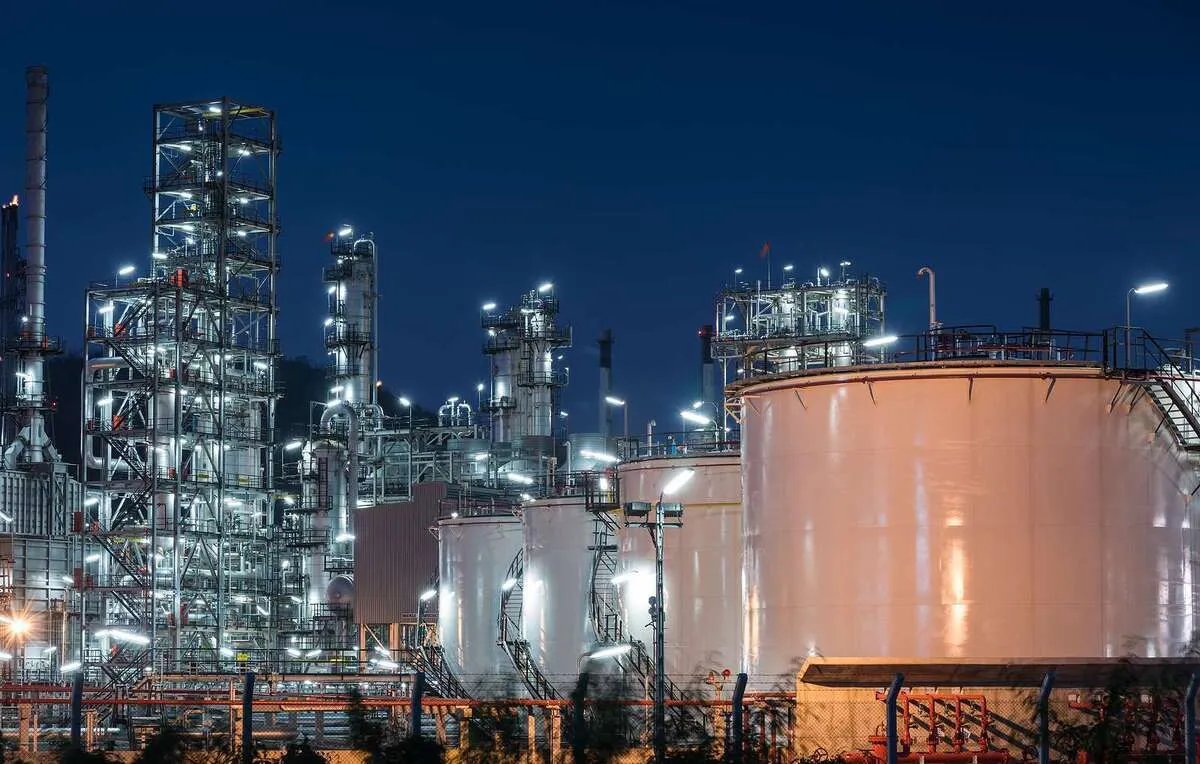
Hamid Bovard made the announcement at a contract signing ceremony for the field's development and operation, a project involving Isfahan's Mobarakeh Steel Company and the Oil Industries Engineering and Construction Company (OIEC), the oil ministry’s news website reported.
“We hope to witness the signing of such contracts this year,” Bovard said. “The planning we conducted from the beginning of this administration aimed to reduce execution time and increase productivity. Fortunately, we are now seeing these efforts come to fruition.”
Bovard noted that practical work should begin following the contract's signing. Efforts to obtain approval from the Economic Council have started, with the hope the project launches by year's end to boost the national economy.
He also announced that several similar contracts with petrochemical companies will soon be signed to develop other gasfields, such as Khar Tang.
The Madar field's development will significantly reduce Iran's gas imbalance, Bovard said. Preliminary estimates indicate the field could produce up to 13 million cubic meters of gas and 40,000 barrels of gas condensate per day at peak development.
Bovard emphasized the NIOC's focus on two key strategies: increasing energy efficiency and partnering with major industries. He cited Mobarakeh Steel, a leading national industry, as playing a major economic role through this contract.
The project includes constructing 70 kilometers of pipeline and 33 kilometers within the refinery complex. The field holds an estimated 65 billion cubic meters of gas in place, which will fully supply Mobarakeh Steel's needs.
21% return on investment for Madar field
Saeid Zarandi, CEO of Mobarakeh Steel Company, said the investment in energy resources results from two to three years of joint pursuit with OIEC. As the nation's largest energy consumer, the company has faced serious electricity and gas shortages in recent years.
To address power deficits, the company invested in power plants and currently generates or supplies over 850 megawatts of electricity, with an additional 420 megawatts of capacity planned by year's end.
Zarandi stated this contract is a precursor for other investors and that gas shortage concerns will be alleviated within two years. Besides meeting internal needs, the project is highly profitable with a nearly 21% return on investment. Proximity to the South Pars gas field facilitates gas transfer and allows for quicker operation.
4155