University of Tehran Researchers Make Key Breakthrough about Cataracts, Blindness
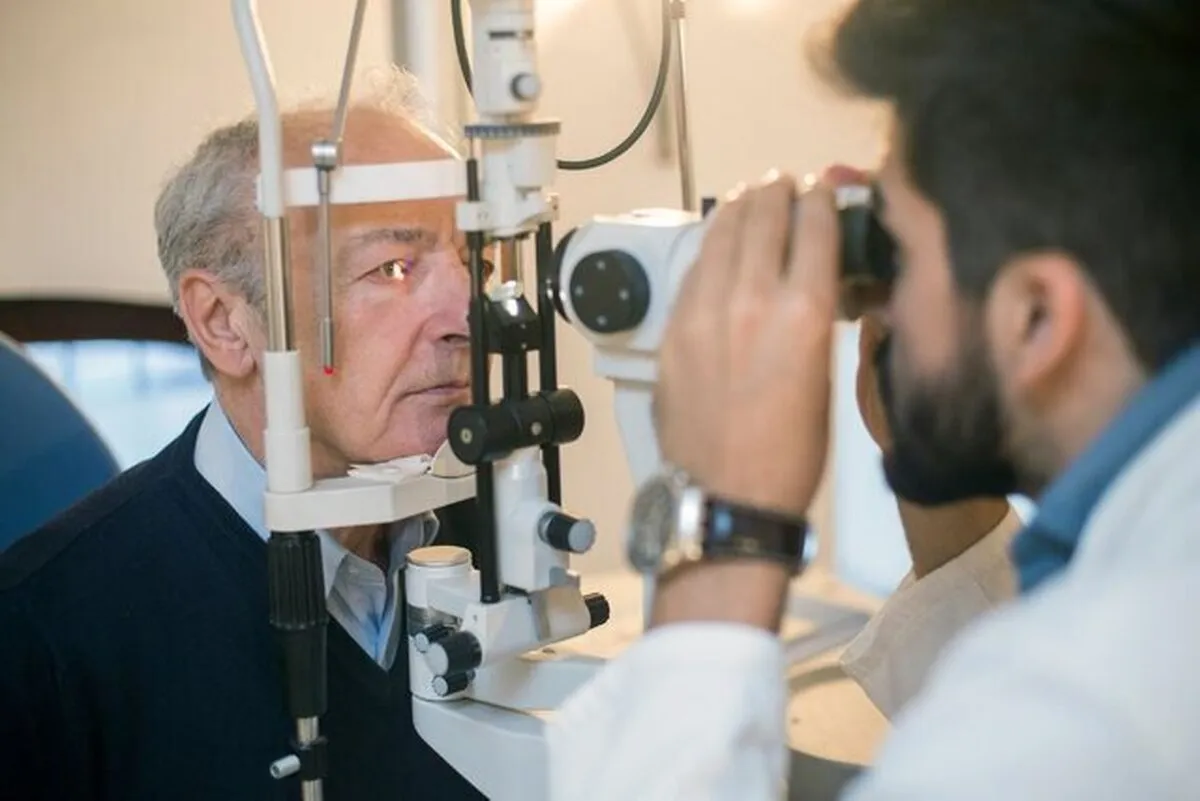
The findings of Farid Nasiri, a PhD student in biochemistry at the University of Tehran, in his doctoral thesis titled ‘The role of mutation (p.R107L) on the structure, stability, chaperone activity, and fibrillation of human alpha-B crystallin protein’ identified the pathogenic mechanism and an important mutation in the human alpha-B crystallin protein that leads to cataracts and blindness.
Researchers at the Protein Chemistry Laboratory at the Center for Biochemistry and Biophysics Research produced the mutant protein in a bacterial host using targeted mutagenesis methods and recombinantly.
In this study, the structural features and biological activity of the protein were investigated using various spectroscopic and microscopic methods.
The results of the study showed that this pathogenic mutation changes the secondary to tertiary structure of human alpha-B crystallin and significantly reduces its activity and structural stability.
These fundamental changes in the structure and biological activity of alpha-B crystallin can lead to the accumulation of other proteins in the lens of the eye and the formation of larger particles with the ability to scatter light, which ultimately contributes to the occurrence and progression of cataracts.
In a relevant development in July, Iranian researchers had also succeeded in production of optimized recombinant viral vectors capable of effective and less invasive transfer of the RPGR gene by intravitreal injection for gene therapy and prevention of blindness in patients with the hereditary disease of retinitis pigmentosa (RP).
“One of the most effective measures that can be adopted to treat RP disease is the production of recombinant viral vectors optimized for effective gene transfer. Using this method to treat X-linked retinitis pigmentosa, which is caused by a defect in the RPGR gene, a virus was made that has a healthy version of the RPGR gene,” said Maryam Haqshenas, a PhD student of Medical Genetics at Mashhad University of Medical Sciences.
She explained that in this project, which was implemented under the guidance of Sina Mozaffari, a faculty member of Mashhad University of Medical Sciences and in collaboration with the Ophthalmology Research Center of Shahid Beheshti University of Medical Sciences, mutations were created at the surface of virus to increase its transmission in different layers of the retina during intravitreal injection, which is a less invasive type of injection, adding that these mutations help the virus penetrate more into all layers of the retina and after injecting the produced virus into the patient's eye, the RPGR gene is expressed in the photoreceptors and prevents the destruction of retinal cells.
“In a preclinical study, the viruses from this invention were injected into the eyes of one-month-old mice, and the efficiency of these viruses in the transfer of the RPGR gene and their penetration from the injection site, i.e., the vitreous, to the location of the photoreceptors in the retina, and the specific expression of RPGR in these cells was proven,” Haqshenas said.
4155/v