Scientists Turn Forgotten Cells into Powerful Cancer Killers
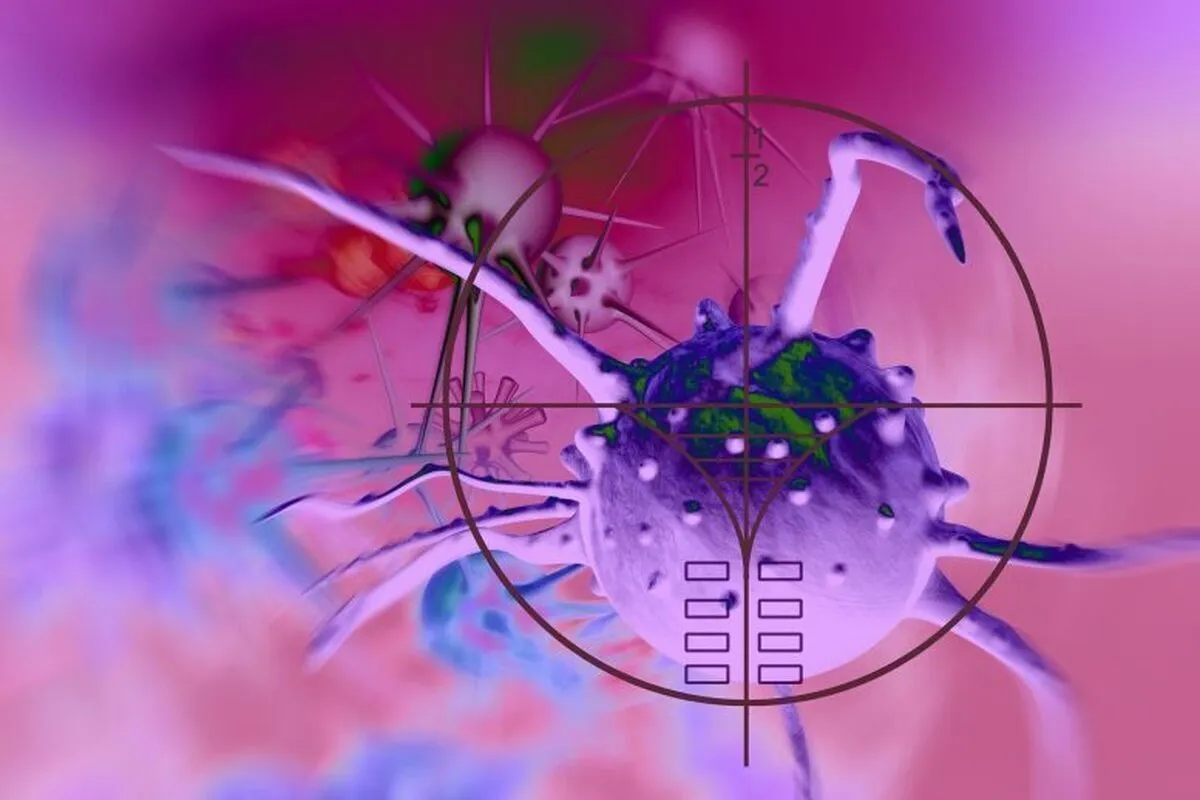
Cancer treatments that harness the body’s own immune system, known as immunotherapy, are advancing rapidly. Most current therapies focus on CD8 T lymphocytes, also known as “killer cells,” which are capable of destroying harmful or abnormal cells. However, researchers at the University of Geneva (UNIGE) are exploring a new strategy that puts a different type of immune cell in the spotlight: CD4 T lymphocytes, the journal Science Advances reported.
These CD4 cells have traditionally been viewed as support players in the immune system, primarily helping other immune cells function more effectively. Because of this, their potential for treating diseases like cancer has largely been overlooked. However, the UNIGE team has discovered that CD4 T cells can also attack and kill cancer cells directly, all while continuing to assist other immune functions.
Using advanced cell engineering techniques, the scientists reprogrammed CD4 T cells to recognize a tumor marker that is present in a wide range of cancers affecting both children and adults. The findings, published in the journal Science Advances, could pave the way for faster, more versatile cancer therapies that reach a broader patient population.
According to Camilla Jandus, Assistant Professor at the UNIGE Faculty of Medicine’s Department of Pathology and Immunology, and a researcher at both the Centre for Inflammation Research and the Translational Research Centre in Onco-haematology, CD4 T cells have been vastly underestimated.
In collaboration with the CHUV-UNIL Oncology Department and the Lausanne Branch of the Ludwig Institute for Cancer Research, UNIGE scientists studied the molecular characteristics of CD4 T lymphocytes isolated from melanoma patients (a skin cancer). They identified that a unique subset of these cells bears a T cell receptor (TCR) capable of efficiently recognizing an antigen specific to tumor cells: NY-ESO-1. This TCR was then isolated and artificially expressed in other CD4 T cells.
“We then evaluated the effectiveness of these engineered cells against cancer cells, both in vitro and in animal models,” explains Camilla Jandus. “The results are impressive: they effectively target not only melanoma, but also lung, ovarian, sarcoma, and brain cancers, while sparing healthy cells. This demonstrates that TCR-modified CD4 T cells can attack tumors directly, in addition to their auxiliary role.”
The HLA system is a set of genes responsible for immune recognition. Everyone inherits different versions of these genes, known as alleles.
“They code for cell surface proteins, HLA molecules, which enable the T cells to distinguish healthy cells from pathogen-infected or malignant cells,” explains Camilla Jandus. “The effectiveness of T cell-based therapies depends on whether the patient carries the specific HLA allele that presents the tumor antigen. The NY-ESO-1 antigen, recognized by our TCR, is presented by a widespread allele, found in about half the Caucasian population, compared to only 10 to 15% for other HLA alleles. This dramatically expands the pool of patients who could benefit, especially since the targeted antigen is expressed in many types of cancer.”
Camilla Jandus’ team is currently preparing a clinical trial of TCR-engineered CD4-based cell therapy. The trial will include different types of cancer expressing NY-ESO-1. First, a HLA test will verify the presence of the appropriate HLA allele, and then tumors will be analyzed to confirm expression of NY-ESO-1. The CD4 T cells will then be harvested, modified in the laboratory to express the TCR, multiplied, and reinjected into the patient.
But Camilla Jandus envisages a further step: the creation of a bank of ready-to-use TCR engineered immune cells from healthy donors, matched to avoid rejection, which would save precious time, especially in the case of aggressive cancers. This strategy could also pave the way for treatments for cancers that are currently incurable, particularly in children. The first in vitro tests on paediatric neuroblastomas are indeed promising.
4155/v