Iran-Made Nanofilter Capable of Removing Unpleasant Sewage Odor
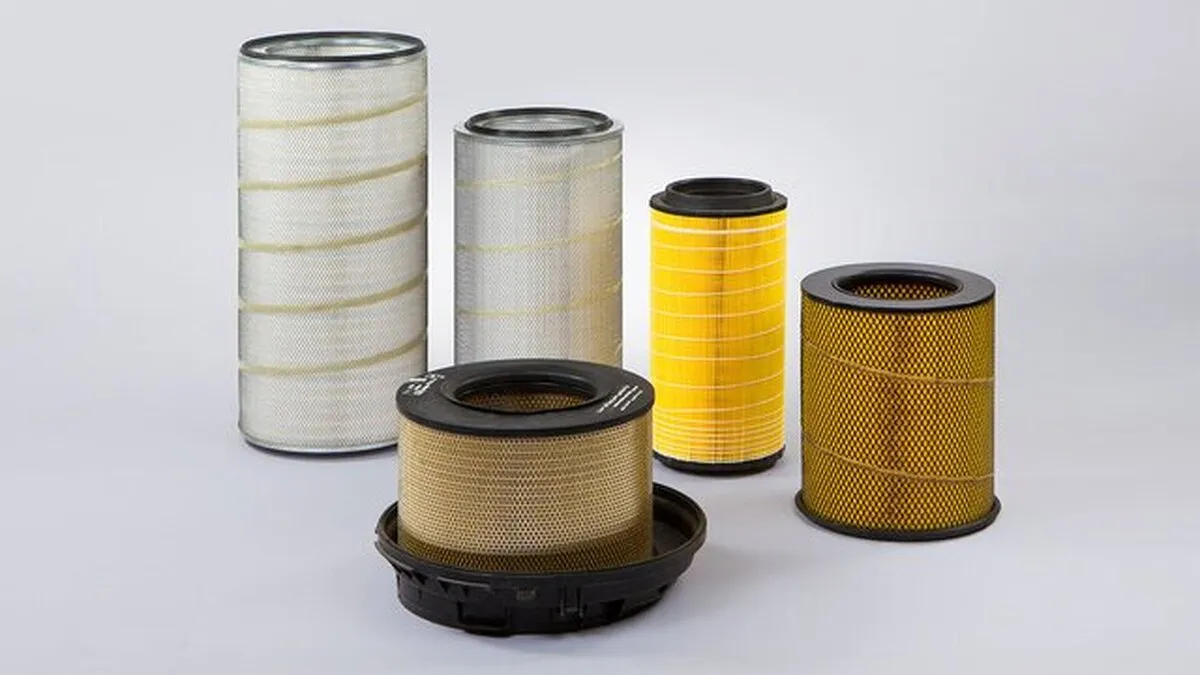
Relying on the power of Iranian engineers and nanotechnology, the knowledge-based company has succeeded in designing and producing a nanofilter package for removing odors from sewage valves; a simple, low-cost, renewable and long-lasting product that absorbs up to 98% of unpleasant odors and prevents toxic gases from entering the surrounding environment.
By using absorbent nanomaterials, this product can effectively absorb like hydrogen sulfide and sulfur-containing compounds. This gas, which is often known for its rotten egg odor, causes respiratory irritation even at low concentrations, and at higher levels it can lead to headaches, itching, nausea, eye damage, dysfunction of the nervous system, unconsciousness and ultimately death.
On the other hand, the high corrosiveness of this gas is also a serious threat to metal equipment in treatment plants, transmission lines and other technical infrastructure, and greatly increases maintenance and replacement costs.
The nano filter produced by the company is designed based on a durable structure that, in addition to having anti-flammability properties, also allows water to enter the sewer valve from the outside; an issue that is very vital in managing runoff and preventing valve blockages. Other key features of this system include 98% odor removal efficiency, very low operating costs, no need for continuous consumption of materials over a year, intelligent monitoring system, long lifespan of nanocomposite, low power consumption and simple maintenance.
Also, depending on the type of environment and the severity of pollution, the body of this package can be designed from steel or polyethylene to be both resistant to corrosion which reduce its total cost.
In a relevant development in 2024, researchers at the Iranian Research Organization for Science and Technology (IROST) had also made changes to previous cellulose nanofibers to produce filters that absorb tiny particles existing in the air.
“As the cities grow bigger and there is an increase in sources of air pollution, and also given the risks that air pollution creates for people's health, knowledge and awareness of the various aspects of this issue are of great importance. Today, one of the most important environmental problems in Iran is air pollution,” said Alireza Ashuri, a professor at IROST and the supervisor of Sima Sepahvand's postdoctoral project entitled "Modification of cellulose nanofibers for the producing nanofilters for absorbing air polluting particles" to explain about the project.
“There are two types of pollutants in the air, primary and secondary. Primary pollutants are substances that enter the air from origins such as cars, industries, factories and agricultural machinery,” he added.
He said that the air purification is one of the most complicated scientific and practical solutions due to the diversity of pollutants and enormous air pollutants.
“The current methods used for air purification were all invented in the early 20th century and were based on home air purification systems. One of the effective ways to reduce air pollution is the use of polymer nanofibers and their use in air filtration that are widely used in industries,” the IROST professor said.
“These filters are used with different applications for use in refrigerators, cars, homes, hospitals and clinics to remove bacteria, fungi, odors and volatile organic compounds. However, the main disadvantage of these types of filters is that they are not biodegradable and remain in the environment for more than 400 years because the polymers obtained from oil are very stable and do not degrade naturally; therefore, this factor causes more environmental pollution after discharge,” Ashuri said.
4155/v